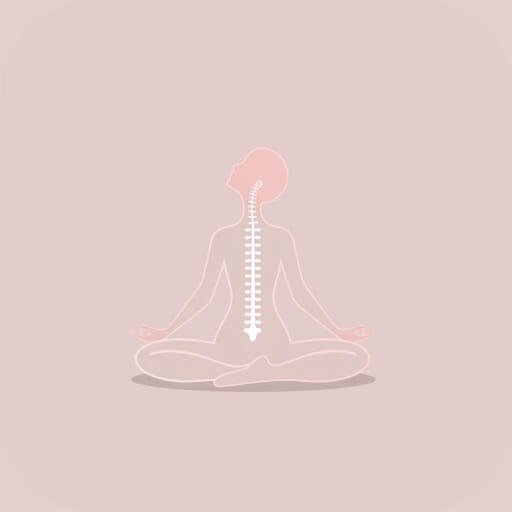
The spinal cord is a vital part of the human body, acting as the main communication highway between the brain and the rest of the body. It is responsible for transmitting signals that control movement, sensation, and various bodily functions. Taking care of the spinal cord is essential for maintaining overall health and mobility. One natural and effective way to support spinal cord health is through yoga. Yoga for spinal cord wellness includes gentle stretches, strengthening poses, and breathing exercises that help keep the spine flexible, aligned, and strong. Regular practice can improve posture, relieve tension, and support the nervous system in both preventative and rehabilitative ways.
The Importance of Spinal Cord Health
The spinal cord, protected by the vertebral column, plays a central role in the nervous system. Any damage, compression, or misalignment in the spinal area can affect not only mobility but also organ function and overall energy levels. Modern lifestyles that involve long hours of sitting, poor posture, and lack of movement can take a toll on spinal health. Yoga provides a holistic approach to spinal cord care by integrating physical movement, mental relaxation, and awareness.
Common Issues Affecting the Spine
- Herniated or slipped discs
- Spinal stenosis or narrowing of the spinal canal
- Sciatica caused by nerve compression
- Postural problems like kyphosis or scoliosis
- Muscle stiffness and back pain
How Yoga Benefits the Spinal Cord
Yoga supports spinal cord health in several ways. It encourages natural alignment, improves core strength, enhances flexibility, and promotes circulation to the spine. Many yoga poses are designed to stretch and strengthen the muscles that support the spinal column. These movements not only help relieve back pain but also enhance the flow of cerebrospinal fluid, which is essential for the spinal cord’s nourishment and protection.
Key Benefits of Yoga for the Spine
- Improves posture and spinal alignment
- Strengthens the core and back muscles
- Enhances spinal flexibility and range of motion
- Relieves chronic back pain and muscle tension
- Stimulates the nervous system and supports nerve health
Yoga Poses to Support Spinal Cord Health
The following yoga poses are especially beneficial for maintaining a healthy spine. These postures can be practiced by individuals of varying levels, as long as movements are done mindfully and without strain.
1. Cat-Cow Pose (Marjaryasana-Bitilasana)
This dynamic sequence gently warms up the spine. Start on your hands and knees, alternate between arching your back (cow pose) and rounding it (cat pose). This flow increases spinal flexibility and encourages fluid movement along the vertebral column.
2. Downward Facing Dog (Adho Mukha Svanasana)
This pose lengthens the spine, decompresses the vertebrae, and stretches the entire back. Press the hands firmly into the mat, lift the hips, and aim to create a straight line from the hands to the tailbone.
3. Cobra Pose (Bhujangasana)
From a prone position, gently lift the chest off the floor while keeping the elbows close to the body. Cobra pose strengthens the spinal extensors and opens the front body, reducing compression on the lower back.
4. Bridge Pose (Setu Bandhasana)
This pose strengthens the lower back and glutes while stretching the front body. It promotes stability and support for the lumbar spine and improves circulation to the spinal area.
5. Child’s Pose (Balasana)
This restorative posture helps release tension in the lower back and provides a gentle stretch to the spine. It is an excellent resting pose for spinal relaxation and realignment.
6. Triangle Pose (Trikonasana)
By elongating the spine and encouraging a lateral stretch, Triangle Pose promotes spinal length and stability. Engage the core and avoid collapsing the torso to keep the spine protected.
7. Supine Twist (Supta Matsyendrasana)
This gentle twist supports spinal rotation and helps relieve tension in the back muscles. Twisting also encourages detoxification and improves flexibility through the thoracic spine.
Breathing Techniques for Spinal Support
In addition to physical poses, pranayama or yogic breathing exercises are beneficial for spinal cord health. Deep breathing improves oxygen flow to the nervous system, relaxes the body, and reduces stress, which can contribute to tension in the back and spine.
Effective Pranayama Practices
- Diaphragmatic Breathing: Helps engage the core and calm the nervous system.
- Nadi Shodhana (Alternate Nostril Breathing): Balances the body and improves focus, supporting neurological function.
- Ujjayi Breath: Creates gentle internal heat and strengthens breath control, supporting spinal engagement during movement.
Yoga for Spinal Cord Injury Recovery
In cases of spinal cord injury or trauma, yoga must be approached with caution and under professional guidance. Gentle, adaptive yoga can help individuals improve mobility, reduce pain, and support emotional wellbeing during rehabilitation. Modifications and the use of props are essential for safety.
Precautions for Spinal Cord Injuries
- Always consult a healthcare provider before beginning yoga practice
- Avoid extreme twists or backbends without proper support
- Use bolsters, straps, and blankets for comfort and alignment
- Focus on breath awareness and mental relaxation
- Practice slowly and with full attention to body signals
Posture Awareness in Daily Life
Yoga teaches posture awareness that can be applied outside the yoga mat. Maintaining spinal alignment during sitting, standing, and walking helps prevent strain and long-term spinal problems. Practicing yoga consistently leads to improved core strength and muscular endurance that support the spine throughout the day.
Daily Habits for Spinal Health
- Sit with the spine upright and shoulders relaxed
- Stand with even weight distribution on both feet
- Take breaks from long periods of sitting to stretch
- Engage in regular low-impact physical activity
- Sleep on a supportive mattress that aligns the spine
Mental and Emotional Connection
The spine is often seen in yogic philosophy as the energetic highway of the body. Practices like meditation and mindfulness, when combined with physical postures, can enhance the mind-body connection and support spinal healing. Stress and emotional tension often manifest as tightness in the back, and yoga helps release this stored tension through breath and movement.
Yoga for spinal cord health is a powerful way to nurture and protect one of the most essential parts of the body. By combining mindful movement, breath control, and posture awareness, yoga helps improve spinal alignment, reduce discomfort, and strengthen the muscles that support the spine. Whether practiced for prevention or recovery, yoga offers a sustainable and holistic path toward spinal wellness. Through consistency and care, anyone can develop a stronger, more flexible spine and enjoy a better quality of life.