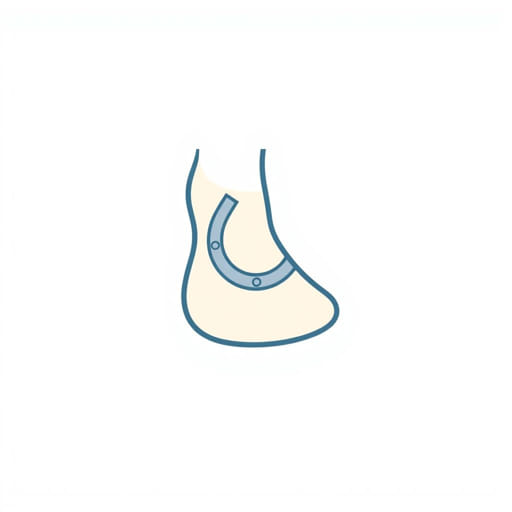
Laminitis is a painful and potentially debilitating condition affecting the hooves of horses, donkeys, and ponies. It results from inflammation of the laminae, the sensitive structures inside the hoof that connect the hoof wall to the underlying bone. One of the most effective supportive treatments for managing this condition is therapeutic shoeing. This specialized hoof care approach helps reduce pain, stabilize the hoof, and promote healing. Therapeutic shoeing for laminitis requires an understanding of hoof mechanics, the severity of the condition, and the individual needs of each horse.
Understanding Laminitis and Its Effects on the Hoof
Laminitis can develop suddenly or progress gradually. It disrupts the blood flow within the hoof and causes the laminae to weaken. In severe cases, the coffin bone may rotate or sink within the hoof capsule, leading to permanent lameness or necessitating euthanasia.
Common Causes of Laminitis
- Overfeeding on grain or lush pasture
- Endocrine disorders like Cushing’s disease or equine metabolic syndrome
- Mechanical stress from excessive weight-bearing
- Systemic inflammation from infections or illnesses
Because the hooves play a vital role in supporting a horse’s weight and movement, proper management through therapeutic shoeing can significantly influence the outcome of treatment.
Goals of Therapeutic Shoeing
Therapeutic shoeing for laminitis is more than just adding shoes. It is a precise and individualized process aimed at improving comfort, supporting the hoof structures, and preventing further damage. The farrier works closely with the veterinarian to evaluate the condition and apply the most appropriate technique.
Main Objectives
- Reduce mechanical stress on the hoof
- Support the sole and frog to distribute weight evenly
- Realign the coffin bone within the hoof capsule
- Encourage healthy hoof growth and recovery
These goals guide the selection of materials and shoeing techniques used in each case.
Types of Therapeutic Shoeing Techniques
Various therapeutic shoeing methods are available, and the best option depends on the severity of the laminitis and the individual needs of the horse. Some cases may benefit from barefoot trimming, while others require special pads or mechanical shoes.
Heart Bar Shoes
Heart bar shoes are commonly used in laminitic horses to provide support to the frog, an area of the hoof that can share in weight-bearing. These shoes reduce stress on the hoof wall and laminae.
- Relieves pressure from the toe area
- Transfers load to the back of the foot
- Improves stability and comfort
Rail or Rocker Shoes
Rail shoes or rocker shoes are designed to allow smoother breakover and reduce torque on the damaged laminae. These shoes have a curved shape that minimizes the stress during movement.
- Facilitates easier motion
- Prevents jarring or further inflammation
- Often combined with sole or frog support
Glue-On Shoes and Boots
For horses with extremely sensitive or damaged hooves, glue-on shoes or hoof boots offer protection without the need for nails. These methods are ideal for acute laminitis or when traditional shoeing is not possible.
- Non-invasive and gentle on the hoof
- Customizable to the hoof shape
- Removable for inspection and treatment
Sole Support and Padding
Sole packs or padding systems can be added to shoes or used alone to provide cushioning and support. These materials reduce concussion and promote healing by minimizing further trauma.
- Used with or without shoes
- Can be adjusted as the hoof grows
- Often made from silicone, foam, or other flexible compounds
Farrier and Veterinary Collaboration
Successful therapeutic shoeing for laminitis depends on a team approach. Regular communication between the farrier and veterinarian is essential to monitor the condition and adjust treatment plans as necessary.
Role of the Farrier
- Assess hoof structure and balance
- Design and apply the appropriate shoeing strategy
- Regularly trim and adjust shoes as needed
Role of the Veterinarian
- Diagnose laminitis and determine severity
- Use radiographs to guide shoeing techniques
- Provide medication or additional treatment
This collaboration ensures that both hoof care and medical management are aligned for the horse’s best outcome.
Long-Term Hoof Management
Therapeutic shoeing is not a one-time fix. Horses with laminitis often require long-term or even lifelong hoof management. As the hoof grows and heals, shoeing techniques may be adjusted to reflect changing needs.
Ongoing Care Tips
- Keep hooves clean and dry
- Provide regular trimming every 4-6 weeks
- Maintain a proper diet to prevent flare-ups
- Monitor for signs of pain or lameness
Some horses may eventually transition back to regular shoeing or barefoot trimming, but others may need continued therapeutic support for life.
Signs That Therapeutic Shoeing Is Working
Monitoring progress is important to ensure the treatment is effective. Positive signs that therapeutic shoeing is helping include:
- Improved comfort and mobility
- Reduction in digital pulse and heat in the hooves
- Gradual hoof wall growth in proper alignment
- Radiographic improvement in coffin bone positioning
Continued observation and routine follow-ups help catch any setbacks early and allow timely intervention.
Challenges and Considerations
Not all horses respond the same way to therapeutic shoeing. Some may require adjustments to the shoeing technique or changes in medication and care. Additionally, the cost and availability of skilled farriers can be a challenge for some owners.
Important Considerations
- Each case of laminitis is unique
- Trial and error may be necessary to find the right solution
- Owner compliance with care recommendations is critical
Despite these challenges, many horses improve significantly with proper care, patience, and consistent follow-up.
Therapeutic shoeing for laminitis is a powerful and effective strategy to manage this complex hoof condition. By combining the skills of the farrier and veterinarian, a horse can regain comfort, mobility, and quality of life. From heart bar shoes to glue-on solutions, the variety of techniques available allows for personalized care that supports healing and reduces pain. With continued attention, monitoring, and thoughtful hoof management, many horses with laminitis can return to a fulfilling and active lifestyle.