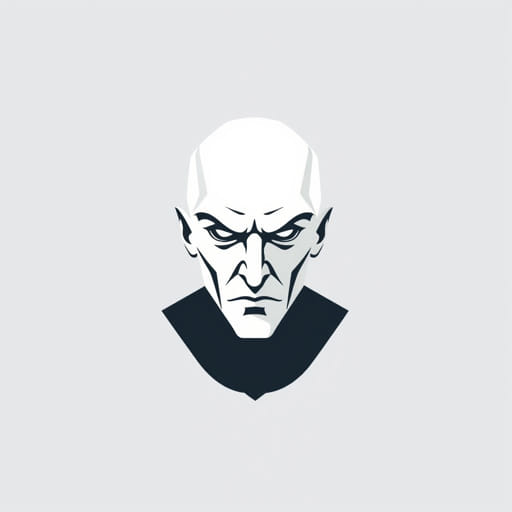
In the Harry Potter film series, the character of Lord Voldemort the most feared dark wizard in the wizarding world was portrayed by several actors, but the most iconic and widely recognized performance came from Ralph Fiennes. His chilling presence, haunting voice, and commanding portrayal brought Voldemort to life on the big screen in a way that captivated and terrified audiences worldwide. As the primary antagonist of the franchise, Voldemort is a complex character whose development throughout the films required an actor capable of embodying both menace and tragic depth. Ralph Fiennes delivered just that.
Who Is Ralph Fiennes?
Ralph Fiennes is an English actor and filmmaker known for his work in theater and film. Born on December 22, 1962, Fiennes studied at the Royal Academy of Dramatic Art (RADA) and built a reputation through Shakespearean performances before transitioning to film. He has been nominated for several Academy Awards and is recognized for his intense and versatile acting skills.
Career Highlights Before Harry Potter
- Schindler’s List(1993) – Played Amon Göth, earning an Oscar nomination
- The English Patient(1996) – Starred as Count Laszlo de Almásy
- Renowned for his work with the Royal Shakespeare Company
Fiennes brought gravitas and depth to every role he played, making him an ideal choice for the complex character of Lord Voldemort in the Harry Potter films.
Voldemort’s Evolution in the Films
Voldemort, originally named Tom Riddle, is a character whose transformation into a power-obsessed dark wizard spans several films. While the character first appears in the early movies in subtle forms, such as in flashbacks or spirit-like images, it is in Harry Potter and the Goblet of Fire that Ralph Fiennes fully steps into the role.
Major Appearances by Ralph Fiennes
- Harry Potter and the Goblet of Fire(2005) – Full-bodied return of Voldemort
- Harry Potter and the Order of the Phoenix(2007)
- Harry Potter and the Half-Blood Prince(2009) – Limited appearance
- Harry Potter and the Deathly Hallows Part 1(2010)
- Harry Potter and the Deathly Hallows Part 2(2011)
Fiennes’s Voldemort became more prominent and sinister with each installment, culminating in the final battle at Hogwarts in the last film.
Ralph Fiennes’ Approach to Playing Voldemort
Ralph Fiennes didn’t treat Voldemort as a one-dimensional villain. Instead, he delved into the psychological and emotional background of the character. Fiennes aimed to portray Voldemort as more than just evil he gave him layers of pain, pride, and obsession with immortality and power.
Acting Techniques Used
- Deepened his voice to sound more unsettling
- Used precise movements and gestures to appear reptilian
- Maintained intense eye contact in scenes to project dominance
His portrayal was not just about the appearance, but about creating an aura of dread that made Voldemort an unforgettable screen villain.
Makeup and Special Effects
Voldemort’s visual transformation required significant makeup and digital effects. His snake-like nose, pale skin, and red eyes were achieved using a combination of prosthetics and CGI. Fiennes had to act through heavy visual alterations, which added to the challenge of the role.
Transformation Details
- Special dots placed on Fiennes’s face to digitally remove his nose
- Teeth prosthetics to change his smile and mouth shape
- Costume design that emphasized his long, skeletal figure
Despite these physical changes, Fiennes managed to convey Voldemort’s personality through voice, movement, and expression, proving his skill as an actor.
Other Actors Who Played Voldemort
While Ralph Fiennes is the main actor associated with Voldemort, other actors also contributed to the character’s earlier stages.
Tom Riddle Actors
- Christian Coulson– Played teenage Tom Riddle in Chamber of Secrets
- Frank Dillane– Portrayed Tom Riddle as a young adult in Half-Blood Prince
- Hero Fiennes Tiffin– Played 11-year-old Tom Riddle; he is Ralph Fiennes’s nephew
Each of these performances helped build the psychological foundation of the character, showing the gradual descent of Tom Riddle into the feared Lord Voldemort.
Impact on the Harry Potter Franchise
Ralph Fiennes’s performance as Voldemort played a major role in making the Harry Potter films darker, more mature, and more engaging. His presence elevated the stakes, giving Harry a villain who was not only powerful but also haunting and unpredictable.
Fan and Critical Reception
- Praised for bringing menace without overacting
- Frequently listed among top fantasy film villains
- Credited with giving emotional weight to Voldemort’s actions
Fans often recall Fiennes’s delivery of key lines and his chilling silence in tense scenes. His portrayal remains a high point in the series’ cinematic legacy.
Life Beyond Voldemort
After Harry Potter, Ralph Fiennes continued his successful career. He acted in critically acclaimed films, took on directorial roles, and returned to theater. While he is often recognized for his role as Voldemort, he has continued to demonstrate his range in many genres.
Notable Post-Harry Potter Roles
- The Grand Budapest Hotel(2014) – Played M. Gustave, showing his comedic side
- SkyfallandNo Time to Die– Played M in the James Bond series
- Directed and starred inThe Invisible WomanandThe White Crow
Fiennes has refused to be boxed in by any one role, continuing to explore challenging and diverse projects in film and theater.
The actor of Voldemort in the Harry Potter series, Ralph Fiennes, delivered one of the most iconic villain performances in modern cinema. Through his dedication, talent, and understanding of the character’s complexity, he gave life to a role that could have easily been reduced to a typical fantasy villain. Instead, he created a chilling figure whose presence still lingers in the minds of viewers. Supported by a team of makeup artists, visual effects experts, and fellow actors, Fiennes’s Voldemort became more than just a character he became a symbol of fear, obsession, and the high cost of ambition.