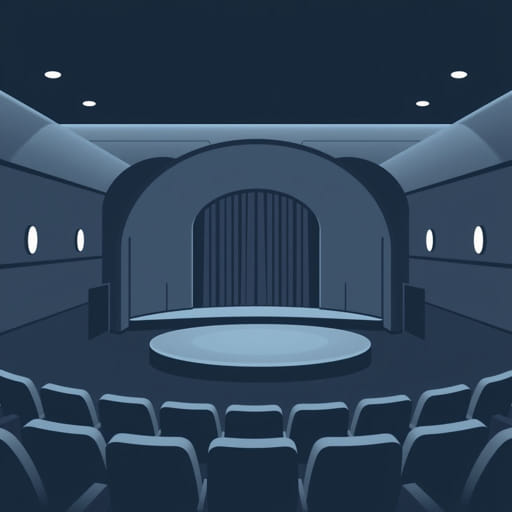
What is the Meaning of Auditorium? Understanding its Definition, Purpose, and DesignWhen we hear the word ‘auditorium,’ we often think of large spaces filled with rows of seats where audiences gather to watch performances, listen to lectures, or attend other events. But what exactly is an auditorium, and why is it so important in various contexts? This topic will explore the meaning of an auditorium, its historical significance, and the key aspects of its design and function.
What is an Auditorium?
An auditorium is a large room or building designed specifically for hosting performances, events, lectures, or other gatherings that involve an audience. Typically, auditoriums feature a stage, a seating area, and excellent acoustics to ensure that the sound reaches every listener. These spaces can be found in schools, theaters, concert halls, community centers, and more.
The word ‘auditorium’ originates from the Latin word ‘audīre,’ meaning ‘to hear,’ and ‘auditorium’ refers to a place where people gather to hear or listen. Therefore, the primary purpose of an auditorium is to facilitate communication between performers and the audience, whether through speech, music, or other forms of entertainment.
The Purpose of an Auditorium
The main purpose of an auditorium is to provide a space where performances and events can be held, allowing a large number of people to gather and engage with the content being presented. The specific purpose may vary depending on the type of auditorium, but the general goal is to create a comfortable environment where the audience can fully experience the performance or event.
For example, in a school auditorium, the space might be used for school plays, assemblies, and concerts. In contrast, a concert hall auditorium is designed specifically for musical performances, with features that enhance sound quality. Likewise, a conference auditorium may focus on providing a setting for speakers and presentations during conferences or corporate events.
Key Features of an Auditorium
To ensure that an auditorium meets its primary purpose, certain design features are essential. These elements not only improve the functionality of the space but also contribute to the overall experience of the audience and performers.
1. Seating Arrangement
The seating arrangement in an auditorium is critical for ensuring that every audience member has a clear view of the stage or speaker. Seats are usually arranged in rows, with the best views located at the center of the room. Larger auditoriums may feature tiered seating or balconies, allowing for better sightlines and acoustics. The comfort of the seats is also important, especially for longer events.
2. Stage or Performance Area
The stage is the focal point of an auditorium, where performances take place. It is designed to accommodate different types of events, from plays and musical performances to lectures and presentations. The stage is typically elevated above the seating area to give the audience a clear view. In some cases, auditoriums may have a proscenium arch (a frame that separates the stage from the audience) or a more open stage design for more intimate events.
3. Acoustics
Acoustics are one of the most crucial aspects of auditorium design. Proper acoustics ensure that sound travels well throughout the room, making sure that every audience member can hear clearly, regardless of their location. Acoustic treatments may include materials like fabric, wood, or foam that help to absorb and distribute sound evenly. A well-designed auditorium will have a balance between sound clarity and reverberation to create an optimal listening experience.
4. Lighting
Lighting plays an essential role in enhancing the overall experience of an event in an auditorium. A good lighting system not only helps illuminate the stage but also sets the mood and atmosphere for performances. For example, dimming the lights for a play can create a more dramatic effect, while bright lighting may be used for lectures or conferences to ensure that speakers are visible to the audience.
5. Accessibility
Accessibility is a critical consideration in auditorium design. The space must be accessible to individuals with disabilities, which means providing ramps, elevators, and designated seating areas. Additionally, the auditorium should ensure that everyone can access the event comfortably, regardless of physical limitations.
Types of Auditoriums
Auditoriums come in various sizes and types, depending on their intended use. Some common types of auditoriums include
1. Theater Auditoriums
Theater auditoriums are typically found in performing arts venues and are designed for theatrical performances, musicals, and operas. These auditoriums usually have excellent acoustics and an expansive stage to accommodate large productions. Some theater auditoriums are equipped with complex stage mechanisms like trap doors, fly systems for hanging scenery, and advanced lighting systems.
2. Concert Halls
A concert hall auditorium is specifically designed for musical performances, whether orchestral, choral, or solo performances. The acoustics in a concert hall are carefully engineered to create optimal sound for music, with a focus on clarity and resonance. Some concert halls, like the Sydney Opera House, are known for their iconic architectural design as well as their world-class acoustics.
3. Conference Auditoriums
Conference auditoriums are typically used for corporate events, conferences, or seminars. They are designed with a focus on providing a clear line of sight for presentations and speeches. These auditoriums often have features like large projection screens, microphones, and speaker systems to ensure that the audience can easily follow the event.
4. School Auditoriums
School auditoriums serve as multi-purpose spaces for students, staff, and the community. These auditoriums are often used for school plays, music performances, assemblies, and graduation ceremonies. School auditoriums may not have the complex features of larger venues, but they are designed to accommodate a large number of students and parents for various events.
The Evolution of the Auditorium
The design and purpose of auditoriums have evolved over time. Ancient civilizations, such as the Greeks and Romans, built large open-air theaters for performances and public events. These early auditoriums, like the Theater of Epidaurus in Greece, were designed with natural acoustics in mind, allowing voices to carry over large distances.
In the modern era, auditoriums have become more sophisticated, with advancements in building materials, sound technology, and design. Today, auditoriums are not only used for performances but also for academic lectures, political speeches, and community events. The modern auditorium continues to adapt to the needs of the audience and the performers, with innovative designs and technology that improve the experience for everyone involved.
An auditorium is more than just a room with seats and a stage; it is a space designed to enhance the experience of both the audience and the performers. Whether it’s used for a school play, a symphony concert, or a corporate presentation, the auditorium’s design focuses on creating a comfortable, functional environment that supports communication, performance, and entertainment. From seating arrangements to acoustics, each element is carefully considered to ensure that the space fulfills its intended purpose. Understanding the meaning and purpose of an auditorium allows us to appreciate its significance in modern architecture and its role in shaping our cultural and social experiences.