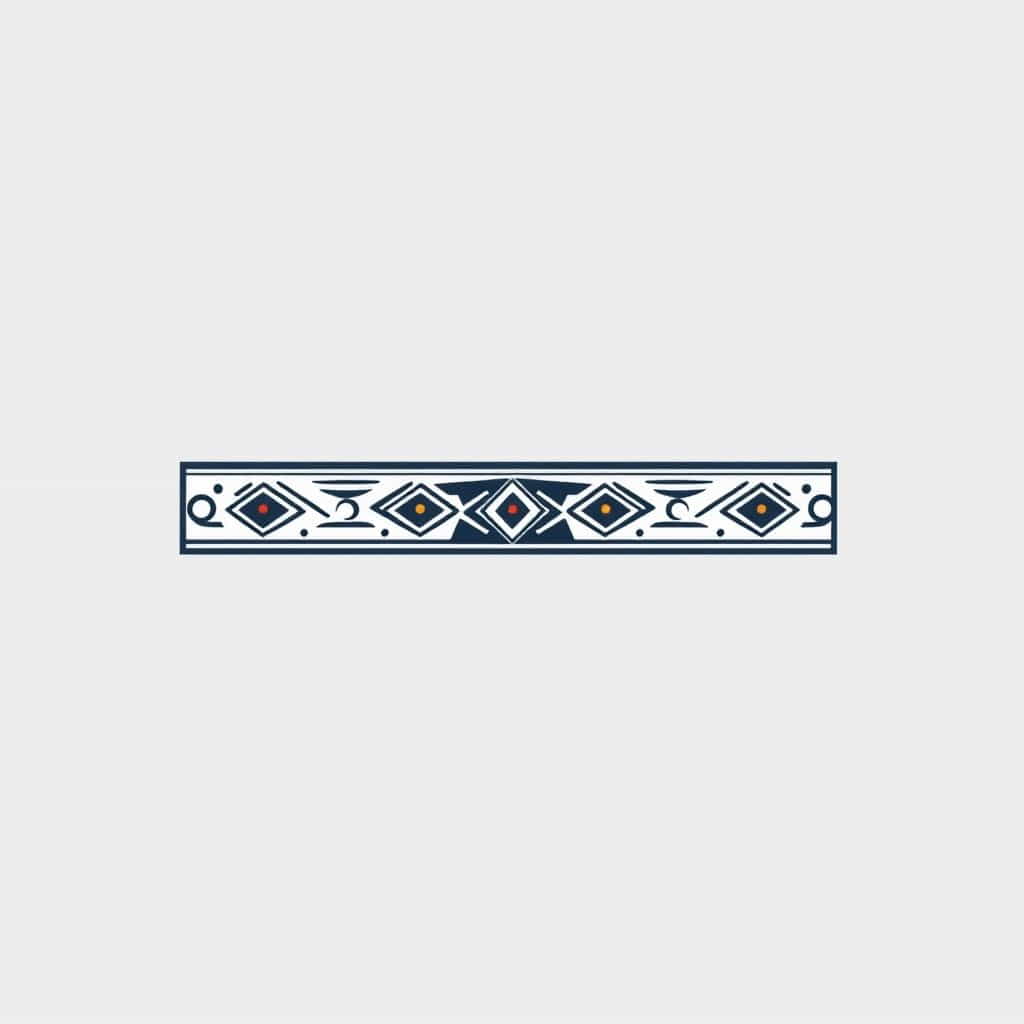
Exploring the 1MI Mi’kmaq Wampum Belt Symbolism, Culture, and Historical ImportanceThe 1MI Mi’kmaq Wampum Belt holds deep historical and cultural meaning for the Mi’kmaq people, an Indigenous nation in the northeastern region of North America. Wampum belts, traditionally made from shell beads, are not just decorative they are sacred objects used to record agreements, share messages, and preserve traditions. The 1MI belt is one of many that symbolize the values, beliefs, and treaties of the Mi’kmaq Nation.
Understanding the role of wampum belts like the 1MI helps to connect us with centuries-old traditions and offers insight into Indigenous ways of communication and governance.
What Is a Wampum Belt?
A wampum belt is a woven strip of shell beads, usually made from quahog or white whelk shells. These beads are strung together using sinew or natural fiber, creating patterns that convey meaning. Each design tells a story or represents an agreement.
Wampum belts were widely used by Indigenous peoples of the Eastern Woodlands, including the Haudenosaunee (Iroquois), Anishinaabe, and Mi’kmaq. Unlike written treaties, wampum belts are visual and oral tools for memory and storytelling.
Significance of the Mi’kmaq People
The Mi’kmaq are a First Nations people indigenous to the Atlantic provinces of Canada and parts of the northeastern United States. Their culture is rooted in deep spiritual connection to the land, the sea, and their community. For the Mi’kmaq, wampum belts are sacred items that document their history, values, and relationships with other nations.
The 1MI Wampum Belt represents part of that long tradition, connecting the present generation with ancestors who lived in harmony with nature and upheld community values.
Understanding the 1MI Mi’kmaq Wampum Belt
While there are many wampum belts across various nations, the 1MI Mi’kmaq Wampum Belt is particularly symbolic for its role in preserving Mi’kmaq governance and law. The belt features patterns that may represent peace agreements, tribal unity, and spiritual beliefs.
This belt, like others, acts as a living document, passed down through generations. Each time it is displayed or spoken about, the oral tradition is renewed. Elders or knowledge keepers interpret the symbols and pass the messages on to the community.
Materials Used in Wampum Belts
Traditionally, wampum belts are crafted from two types of shell
-
Purple quahog shells – Used to create darker beads
-
White whelk shells – Used for lighter beads
The color contrast allows for intricate patterns and symbols. The weaving process is spiritual and deliberate. Each bead has meaning, and the process of creating the belt involves ceremony and intention.
Modern reproductions of belts like the 1MI may use dyed glass beads or other materials for educational or commemorative purposes, but the traditional meaning remains intact.
The Role of Wampum Belts in Treaties and Agreements
The Mi’kmaq and other Indigenous nations used wampum belts as binding representations of agreements. Unlike written treaties that could be manipulated or misunderstood, wampum belts required mutual respect and oral reaffirmation.
When two groups entered into an alliance or peace agreement, a belt would be created and presented. It symbolized shared understanding and a long-term commitment. The 1MI Wampum Belt likely reflects such a bond, whether between clans, nations, or between the Mi’kmaq and colonial governments.
Cultural Preservation Through Wampum Belts
In today’s context, wampum belts like the 1MI are critical tools for cultural preservation. They are displayed during important gatherings, ceremonies, and educational events. They allow Mi’kmaq youth to stay connected to their heritage and learn the values embedded in each strand.
Many Indigenous communities are now working to reclaim and restore their wampum belts, some of which were taken or lost during colonization. These belts are not just artifacts they are part of a living history and cultural identity.
Symbolism in Wampum Belt Patterns
Every line, diamond, and space on a wampum belt has meaning. Common themes include
-
Two rows of beads – Representing parallel paths of different nations coexisting in peace
-
Diamond shapes – Often symbolizing important events or unity
-
Gaps or blank spaces – Representing time between events or openness to future relationships
Although the specific pattern of the 1MI Wampum Belt may vary, these symbols provide a foundation for interpretation.
The Oral Tradition Behind the Belt
Wampum belts are not fully understood without the oral tradition that explains them. The story behind the 1MI Wampum Belt is passed down through storytelling, often by Elders or knowledge keepers who are trained in its meanings.
This oral history ensures that the messages remain intact even if the physical belt is damaged or lost. It also reinforces community bonds and highlights the importance of listening and respect.
Educational Importance of the 1MI Wampum Belt
Schools, museums, and Indigenous cultural centers increasingly use wampum belts like the 1MI to teach about
-
Indigenous history and governance
-
Spiritual values and social responsibility
-
Treaty rights and historical agreements
These lessons are vital for both Indigenous and non-Indigenous learners, helping to build mutual respect and understanding.
Modern Revivals and Cultural Resurgence
There is a growing movement among Indigenous communities to revive traditional knowledge and practices. Crafting new wampum belts, educating youth, and reclaiming lost belts are all part of this cultural resurgence.
The 1MI Mi’kmaq Wampum Belt stands as a proud symbol of this revival representing the endurance of Indigenous identity in a modern world.
Conclusion The Enduring Legacy of the 1MI Mi’kmaq Wampum Belt
The 1MI Mi’kmaq Wampum Belt is more than an artifact; it is a spiritual and cultural map that holds the memory of the Mi’kmaq people. It reflects centuries of tradition, diplomacy, and resilience.
As interest in Indigenous history continues to grow, the significance of wampum belts must be respected and preserved. Through education, storytelling, and cultural pride, the 1MI Wampum Belt will continue to inspire future generations and remind us all of the strength found in unity, tradition, and peace.