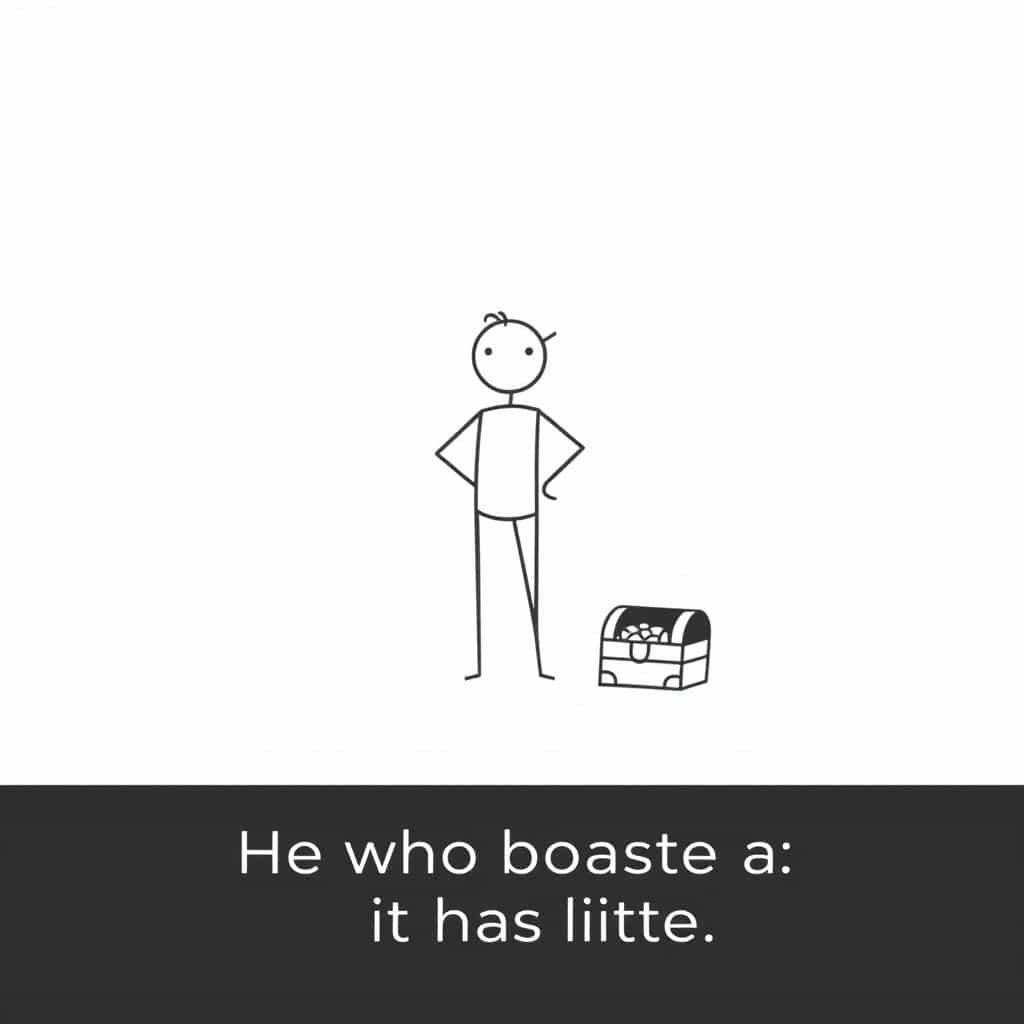
He Who Boasts the Most Has the Least Understanding the Meaning of El Que Mucho Presume Poco TieneThe Spanish phrase El que mucho presume, poco tiene translates to He who boasts the most has the least. This proverb offers timeless wisdom about human behavior, especially when it comes to showing off wealth, success, or status. It suggests that people who constantly brag or try to impress others often do so to hide what they truly lack.
In this topic, we’ll explore the meaning of this idiom, its cultural background, how it applies in everyday life, and why it remains so relevant in the age of social media and self-promotion.
Breaking Down the Phrase
Let’s understand the components of the proverb
-
El que mucho presume He who brags or shows off a lot
-
Poco tiene Has little
The message is simple those who make a big display of their possessions or achievements may not have much in reality. Their loudness can be a mask for emptiness.
Cultural Context Why Humility Matters
In many Spanish-speaking cultures, humility is considered a sign of strength and class. People are often judged not by what they say about themselves, but by how they act and how others speak of them.
This proverb reflects a shared cultural belief that showing off can be a sign of insecurity or lack. Rather than being impressed by someone who talks big, people are encouraged to admire those who stay grounded and genuine.
Why Do People Boast?
Bragging is not always about pride. In many cases, it comes from deeper emotional or psychological needs. Understanding these can help us relate to the proverb better.
1. Insecurity
People who are unsure of themselves might try to create a bigger image to gain approval. Boasting becomes a way to cover up what they feel is missing.
2. Desire for Social Acceptance
In some circles, status symbols like luxury cars, branded clothes, or flashy lifestyles are used to gain respect. Bragging becomes a tool to belong or to impress.
3. Fear of Being Overlooked
When people feel invisible or unimportant, they may use exaggeration to stand out. It becomes a cry for attention.
The proverb points out that the more someone talks about how much they have, the more likely it is that they’re hiding what they lack.
Real-World Examples
Social Media Influencers
Not everyone who posts about an extravagant life online is truly living that way. Many rent cars, borrow clothes, or pose in places they can’t afford to stay. These performances are often motivated by a need to appear successful, even if the reality is very different.
Everyday Conversations
We’ve all met someone who constantly brags about their house, car, salary, or achievements. But often, deeper interaction reveals that they’re struggling behind the scenes.
Workplace Dynamics
In offices, those who boast the most about their skills or leadership often turn out to be less effective than they claim. True leaders usually show their value through actions, not words.
The Dangers of Over-Bragging
Boasting can backfire in several ways
-
It damages trust – People begin to doubt everything you say.
-
It creates distance – Constant bragging can make others feel inferior or annoyed.
-
It reveals insecurity – Instead of seeming powerful, it can make you appear weak.
El que mucho presume, poco tiene warns against this behavior. It suggests that silence and authenticity speak louder than words and showmanship.
Lessons from the Proverb
1. Let Actions Speak
True success doesn’t need a megaphone. If you’re doing well, people will notice without being told.
2. Choose Modesty Over Hype
Modesty builds respect over time. Flashiness fades quickly.
3. Be Secure in Yourself
Confidence doesn’t come from talking about what you have it comes from knowing who you are and what you stand for.
4. Judge Less by Appearances
When someone boasts too much, remember this proverb. It’s a reminder that things are not always what they seem.
Similar Sayings in English
Several English idioms carry a similar meaning
-
All that glitters is not gold.
-
Empty vessels make the most noise.
-
Big hat, no cattle. (A Texan saying)
-
The louder the brag, the weaker the truth.
Each of these expressions, like the Spanish one, encourages a skeptical look at appearances and highlights the value of quiet strength.
When and How to Use the Saying
This phrase can be used in many settings at work, in social conversations, or even in teaching moments with children or students. Here are a few examples
-
He keeps talking about how rich he is, but he borrows money every week. – Ya sabes, el que mucho presume, poco tiene.
-
She’s always posting her perfect life’ online. – Bueno, eso no siempre es real. El que mucho presume
It’s often used with a knowing tone, sometimes gently teasing but always with a hint of truth.
Why It Still Matters Today
In a world filled with filters, curated feeds, and endless comparisons, the proverb El que mucho presume, poco tiene reminds us to value authenticity. It helps us stay grounded and not get carried away by surface-level displays of success.
It also encourages self-awareness. Before boasting about something, ask yourself Am I sharing this because I’m proud or because I’m trying to impress? That simple reflection can shift the way we communicate.
El que mucho presume, poco tiene is more than a clever saying it’s a guide to navigating a world obsessed with appearances. It teaches us to focus on substance, stay humble, and look beyond the noise.
True worth doesn’t need constant advertisement. It’s found in quiet confidence, real effort, and authentic living. In the end, those who truly have something of value don’t need to shout it from the rooftops they simply live it.