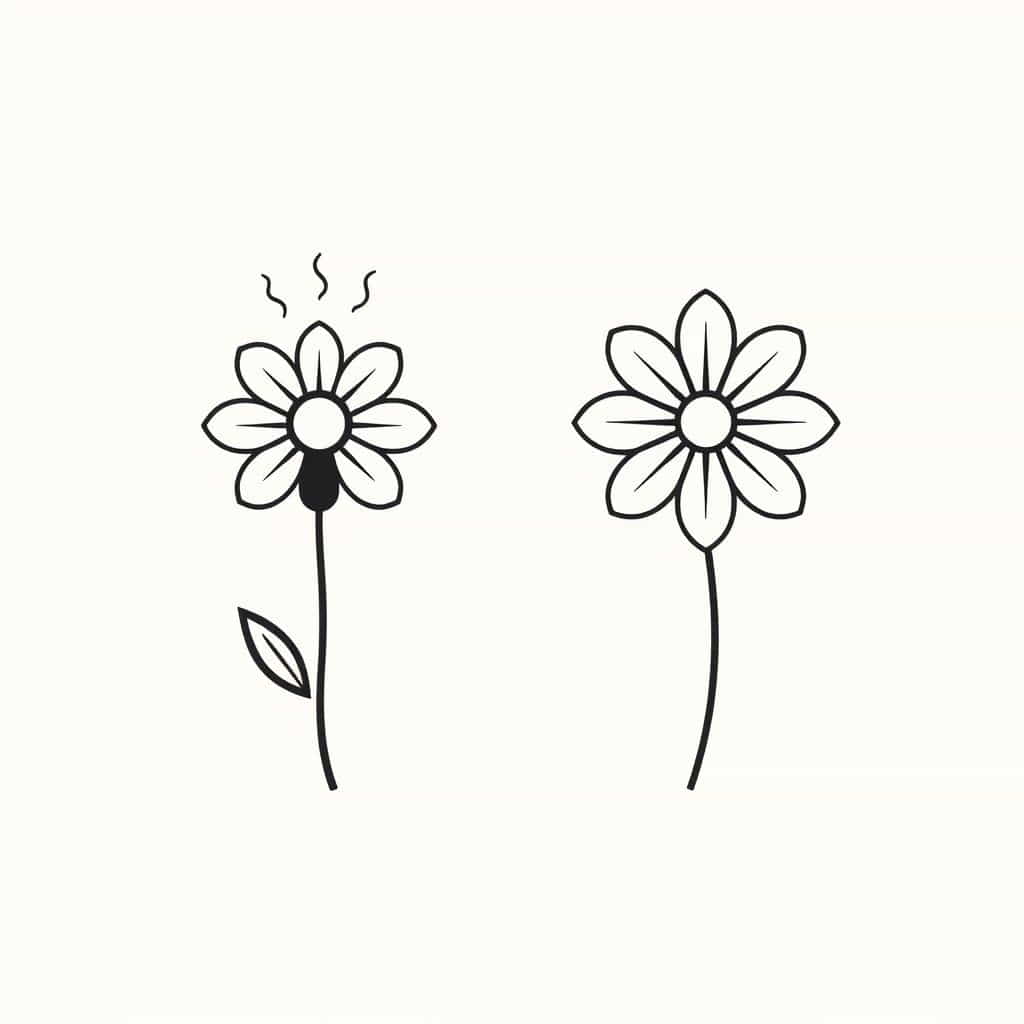
Fragrant and Non-Fragrant Flowers Understanding Their Differences and UsesFlowers bring beauty and life to gardens, homes, and special occasions. One important way flowers are categorized is by their scent some flowers have a strong, pleasant fragrance, while others have little or no smell at all. Both fragrant and non-fragrant flowers have unique qualities that make them popular for different reasons. Understanding these differences helps gardeners, florists, and flower lovers choose the right flowers for their needs.
What Are Fragrant Flowers?
Fragrant flowers are plants that produce a noticeable and often pleasant scent. This fragrance comes from natural oils and chemicals in the petals and other parts of the flower. These scents can attract pollinators like bees and butterflies, which is essential for the plant’s reproduction.
Examples of Fragrant Flowers
-
Roses
-
Jasmine
-
Gardenia
-
Lavender
-
Lilies
The scent of fragrant flowers can vary widely some smell sweet and floral, others spicy or fresh.
Benefits of Fragrant Flowers
Fragrant flowers are valued for several reasons
-
Aromatherapy Their scent can improve mood, reduce stress, and create a calming atmosphere.
-
Decorations Fragrant flowers add a sensory experience to bouquets and floral arrangements.
-
Gardening These flowers attract pollinators, helping maintain healthy ecosystems.
-
Perfume Industry Many perfumes and scented products use extracts from fragrant flowers.
Because of their strong scent, these flowers are often chosen for weddings, events, and home decoration.
What Are Non-Fragrant Flowers?
Non-fragrant flowers produce little to no scent. Despite their lack of smell, these flowers are still popular for their visual appeal and other characteristics.
Examples of Non-Fragrant Flowers
-
Tulips
-
Dahlias
-
Hydrangeas
-
Marigolds
-
Sunflowers
Non-fragrant flowers often have bright colors, unique shapes, and long-lasting blooms. Their lack of scent can be an advantage for people sensitive to strong smells or allergies.
Why Choose Non-Fragrant Flowers?
Non-fragrant flowers have their own set of advantages
-
Allergy-Friendly People who are allergic or sensitive to flower scents can enjoy these flowers without discomfort.
-
Visual Impact Some non-fragrant flowers have striking colors and forms that draw attention.
-
Long Vase Life Many non-fragrant flowers last longer after being cut, making them good for arrangements.
-
Low Maintenance Often, these flowers require less care to maintain their beauty.
For those who prefer subtlety or want to avoid overpowering scents, non-fragrant flowers are ideal.
Comparing Fragrant and Non-Fragrant Flowers
Both types of flowers play important roles in gardening and decoration. Here are key points to compare
| Feature | Fragrant Flowers | Non-Fragrant Flowers |
|---|---|---|
| Scent | Strong, noticeable | Little or no scent |
| Attract Pollinators | Yes, often | Sometimes less |
| Allergy Friendly | Not always | Often yes |
| Visual Appeal | Usually bright and classic | Often colorful and diverse |
| Vase Life | Can be shorter due to oils | Generally longer |
| Uses | Perfumes, aromatherapy, events | Bouquets, visual decoration |
Choosing between them depends on the purpose and personal preference.
How to Use Fragrant and Non-Fragrant Flowers Together
Combining fragrant and non-fragrant flowers in arrangements can create balance. For example, using scented roses with non-fragrant tulips can offer both smell and color variety. This mix enhances sensory experience without overwhelming any sense.
Gardeners often plant fragrant flowers near patios or walkways for natural scents, while non-fragrant flowers fill borders and beds with vibrant colors.
Caring Tips for Fragrant Flowers
To keep fragrant flowers healthy and smelling good
-
Water Regularly Most fragrant flowers need consistent watering.
-
Sunlight Provide adequate sunlight but protect from harsh midday sun.
-
Pruning Remove old blooms to encourage new growth and fragrance.
-
Avoid Chemicals Use natural fertilizers to maintain scent quality.
Proper care maximizes the natural aroma and beauty.
Caring Tips for Non-Fragrant Flowers
Non-fragrant flowers may require different care
-
Soil Use well-drained soil to prevent root rot.
-
Sunlight Adjust based on the flower species some prefer full sun, others shade.
-
Deadheading Removing spent flowers can promote longer blooming.
-
Pest Control Watch for pests that may damage flowers but avoid heavy chemicals to protect the environment.
Healthy non-fragrant flowers stay vibrant longer.
Choosing Flowers Based on Your Needs
When selecting flowers, consider
-
Purpose Are you looking for scent or just visual beauty?
-
Allergies If sensitive, choose non-fragrant options.
-
Location Fragrant flowers work well in outdoor or well-ventilated spaces.
-
Maintenance Consider how much time you can dedicate to care.
Knowing these factors helps you make the best choice for your garden or floral arrangement.
Fragrant and non-fragrant flowers each have unique features that appeal to different preferences and needs. Fragrant flowers provide lovely scents that enrich the environment and attract pollinators, while non-fragrant flowers offer stunning colors and longer-lasting blooms without strong smells.
By understanding their differences and benefits, you can create beautiful gardens and floral displays that fit your lifestyle perfectly. Whether you prefer the sweet aroma of jasmine or the vibrant colors of tulips, flowers bring joy and beauty to everyday life.
This guide helps you appreciate the variety of flowers available and choose the right ones for your space and taste.