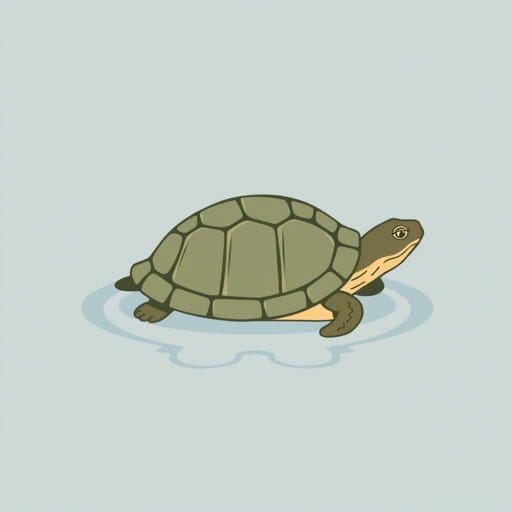
The Northern River Terrapin An Omnivorous Aquatic TurtleThe Northern River Terrapin (Batagur baska), a species of freshwater turtle, is a remarkable creature native to Southeast Asia. Known for its vibrant markings and distinct features, this species has become an important subject of study due to its unique diet, conservation status, and ecological role. In this topic, we will explore the omnivorous nature of the Northern River Terrapin and understand the significance of its diet in the wild.
Habitat of the Northern River Terrapin
1. Native Regions and Distribution
The Northern River Terrapin is primarily found in the river systems of Southeast Asia, with significant populations located in countries such as India, Bangladesh, Myanmar, and Thailand. This turtle prefers freshwater habitats, particularly riverine environments with slow-moving waters, mudflats, and mangrove swamps.
These environments offer abundant food sources, as well as safe places for nesting and basking. However, the increasing threat of habitat loss and water pollution poses challenges to the survival of these turtles.
2. Role in Ecosystems
As a key member of its ecosystem, the Northern River Terrapin plays a vital role in maintaining the balance of its environment. It helps control the populations of various aquatic invertebrates and plants by feeding on a variety of food sources. Its presence contributes to the overall health of river systems and wetlands.
Understanding the Omnivorous Diet of the Northern River Terrapin
1. What Does Omnivorous Mean?
Being omnivorous means that the Northern River Terrapin has a diet that includes both plant-based and animal-based foods. This adaptability in feeding habits allows the species to thrive in various environments, as it can consume a wide range of available resources. The ability to eat both plants and animals makes it less vulnerable to changes in food availability in its habitat.
2. Animal-Based Foods in the Diet
The Northern River Terrapin’s animal diet consists primarily of aquatic invertebrates, small fish, and insects. It uses its strong jaws and sharp beak to capture and consume these prey items. The turtle is particularly skilled at foraging for food in the muddy riverbeds, where it can find small fish and invertebrates hiding among the plants.
In some cases, the Northern River Terrapin may also scavenge on carrion, especially in environments where food sources are limited. This opportunistic feeding behavior enables it to adapt to the availability of food, which is important in fluctuating ecosystems.
3. Plant-Based Foods in the Diet
In addition to animal matter, the Northern River Terrapin consumes a variety of plant material. It feeds on aquatic plants such as algae, water lilies, and grasses, which are abundant in its riverine habitat. The turtle has a particular preference for softer plants, but it will also consume harder vegetation when available. These plant-based foods provide the terrapin with essential nutrients such as fiber and carbohydrates.
Feeding Behavior of the Northern River Terrapin
1. Foraging Techniques
Northern River Terrapins are opportunistic feeders. They spend much of their time in the water, where they search for food both on the riverbed and on the surface. Their powerful claws and long necks enable them to reach a variety of food sources, from small fish to plants growing along the riverbanks.
The turtle may also use its keen sense of sight and smell to locate prey. It often feeds on a mixture of both plant and animal material in one feeding session, showcasing its omnivorous nature.
2. Seasonal Variations in Diet
Like many reptiles, the Northern River Terrapin’s diet can vary depending on the season. During the rainy season, when rivers flood and aquatic plants become abundant, the turtle may consume a higher proportion of plant-based material. On the other hand, during the dry season, when water levels recede, the terrapin may focus more on animal-based food sources, such as small fish and insects.
These seasonal shifts in diet highlight the Northern River Terrapin’s ability to adapt to changing conditions, ensuring it has access to the nutrients it needs year-round.
Conservation Status and Threats to the Northern River Terrapin
1. Endangered Species
The Northern River Terrapin is currently classified as ‘Endangered’ by the International Union for Conservation of Nature (IUCN). Habitat loss, illegal hunting, and pollution are major threats to the species. As river systems become increasingly degraded, the availability of food sources for the Northern River Terrapin is dwindling.
In some areas, the turtle is also at risk from poaching, as its meat and eggs are sought after for consumption. Conservation efforts are critical to ensure the survival of the species and to protect its habitat from further degradation.
2. Conservation Efforts
Conservation programs aimed at protecting the Northern River Terrapin focus on habitat restoration, breeding programs, and the establishment of protected areas. These initiatives are designed to safeguard the turtle’s river habitats and ensure that it has access to the resources it needs to survive.
Moreover, raising awareness about the importance of preserving this species is key to encouraging local communities to participate in conservation efforts. By educating people about the ecological value of the Northern River Terrapin and its role in the ecosystem, there is hope that these efforts will lead to positive change.
The Northern River Terrapin is an extraordinary species known for its omnivorous diet, which helps it thrive in the diverse riverine environments of Southeast Asia. By feeding on both animal and plant material, it showcases the adaptability that allows it to survive in fluctuating ecosystems. However, the species faces numerous challenges, including habitat loss, pollution, and poaching, which threaten its survival.
Conservation efforts are essential to ensure the continued existence of the Northern River Terrapin. By protecting its habitats and supporting breeding programs, we can help secure a future for this remarkable turtle and preserve its vital role in the ecosystem.
As we continue to learn more about this unique species, it is crucial to support efforts that help preserve its natural habitat and ensure the survival of the Northern River Terrapin for generations to come.