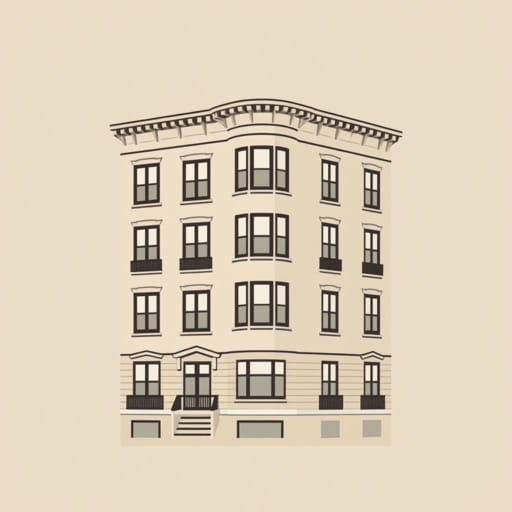
What Does "Prewar Apartment" Mean? Understanding the Term and Its SignificanceWhen browsing for an apartment or house, you may come across the term "prewar apartment." This label refers to a specific type of housing unit that has historical significance. The term "prewar" often sparks curiosity, but what exactly does it mean? In this topic, we’ll explain the definition of a prewar apartment, explore its characteristics, and discuss why these homes are still highly sought after today.
What Does "Prewar" Mean?
The term "prewar" refers to the period of time before World War II. In the context of real estate, a "prewar apartment" is an apartment built before the outbreak of the war in 1939. This distinction primarily applies to buildings in cities like New York, where historical architecture remains a notable feature of the landscape. These apartments are seen as charming relics of a bygone era and are appreciated for their classic design and construction style.
While the exact cut-off date for what constitutes "prewar" may vary in different places, the term generally refers to buildings constructed in the early 20th century, up to the late 1930s.
Key Features of Prewar Apartments
1. Architectural Style
Prewar apartments are often known for their distinctive architectural style. These buildings were typically designed with more elaborate details compared to modern constructions. Features such as high ceilings, intricate moldings, hardwood floors, and large windows are commonly found in prewar apartments.
Unlike modern apartment buildings, which often focus on function over form, prewar apartments feature thoughtful and artistic designs that reflect the architectural trends of the time.
2. Spacious Layouts
Another notable characteristic of prewar apartments is their spacious floor plans. These units were built with a sense of grandeur, often including large living rooms, multiple bedrooms, and expansive dining areas. The generous amount of space available makes prewar apartments ideal for those who appreciate room to move around.
Modern apartments, on the other hand, tend to be smaller, with compact layouts aimed at maximizing the use of space in urban areas.
3. Sturdy Construction
Prewar buildings are also known for their sturdy construction. These buildings were typically built with high-quality materials such as brick, steel, and concrete. Many prewar apartments have stood the test of time and continue to remain strong and durable.
The building methods and materials used in prewar apartments often make them more resilient to wear and tear over the years. This durability is one reason why many people find prewar apartments to be a solid investment.
Why Are Prewar Apartments Popular?
Prewar apartments have remained highly sought after, especially in urban areas. But why are they so popular despite their age? Let’s explore some of the reasons.
1. Historical Charm and Character
Many people are drawn to prewar apartments because of their unique character and historical charm. These buildings often showcase architectural details that are no longer common in modern construction, such as coffered ceilings, crown moldings, and original hardwood floors. These features lend a sense of elegance and timelessness that many find appealing.
For those who enjoy living in a space with a sense of history, a prewar apartment can be an attractive option.
2. Larger Living Spaces
Prewar apartments are often more spacious than newer builds, offering larger rooms and more expansive layouts. This can be especially important in crowded urban centers where modern apartments tend to be smaller and more compact. The extra space allows for more flexibility in decorating and arranging furniture, which is a big draw for potential tenants and buyers.
3. Well-Built and Durable
The construction quality of prewar buildings is another reason for their lasting appeal. Many prewar apartments were built with sturdy materials that were meant to endure. These buildings were constructed with thicker walls, stronger foundations, and more attention to detail, ensuring that they could stand the test of time.
For buyers looking for a durable home, a prewar apartment may be an attractive option.
Common Drawbacks of Prewar Apartments
While prewar apartments are full of character and appeal, they do come with some challenges. Potential buyers or renters should be aware of these drawbacks when considering a prewar apartment.
1. Maintenance and Upkeep
Prewar apartments are older, which means they may require more maintenance than newer buildings. Plumbing, electrical systems, and HVAC units in prewar buildings may not be up to modern standards, requiring repairs or upgrades. Additionally, older buildings may have issues like drafty windows or inefficient insulation, which can lead to higher utility costs.
2. Lack of Modern Amenities
Many prewar apartments lack the modern amenities that newer buildings offer. For instance, while modern apartments often come with sleek kitchens, high-tech appliances, and updated bathrooms, prewar apartments may feature older fixtures and outdated designs. Buyers and renters should be prepared for the possibility of making renovations to bring these apartments up to modern standards.
3. Higher Cost
Because prewar apartments are in high demand and often considered desirable due to their charm and historical value, they can be more expensive than newer apartments. Renters or buyers may find themselves paying a premium for the unique features that prewar apartments offer.
How to Determine If an Apartment is Prewar
If you’re wondering whether an apartment you’re considering is truly prewar, there are a few key features to look for. First, check the building’s construction date. Apartments in buildings built before World War II (typically before 1939) are likely to be considered prewar.
Additionally, look for distinctive architectural elements, such as high ceilings, ornate moldings, large windows, and spacious rooms. These characteristics are common in prewar apartments and set them apart from modern buildings.
A prewar apartment offers a unique living experience characterized by historical charm, spacious layouts, and high-quality construction. While they may come with some drawbacks, such as maintenance costs and the absence of modern amenities, prewar apartments remain highly desirable in urban areas for their beauty, durability, and timeless appeal.
Whether you’re searching for a new home or just curious about these fascinating pieces of history, understanding what makes a prewar apartment special can help you make informed decisions when it comes to renting or buying.