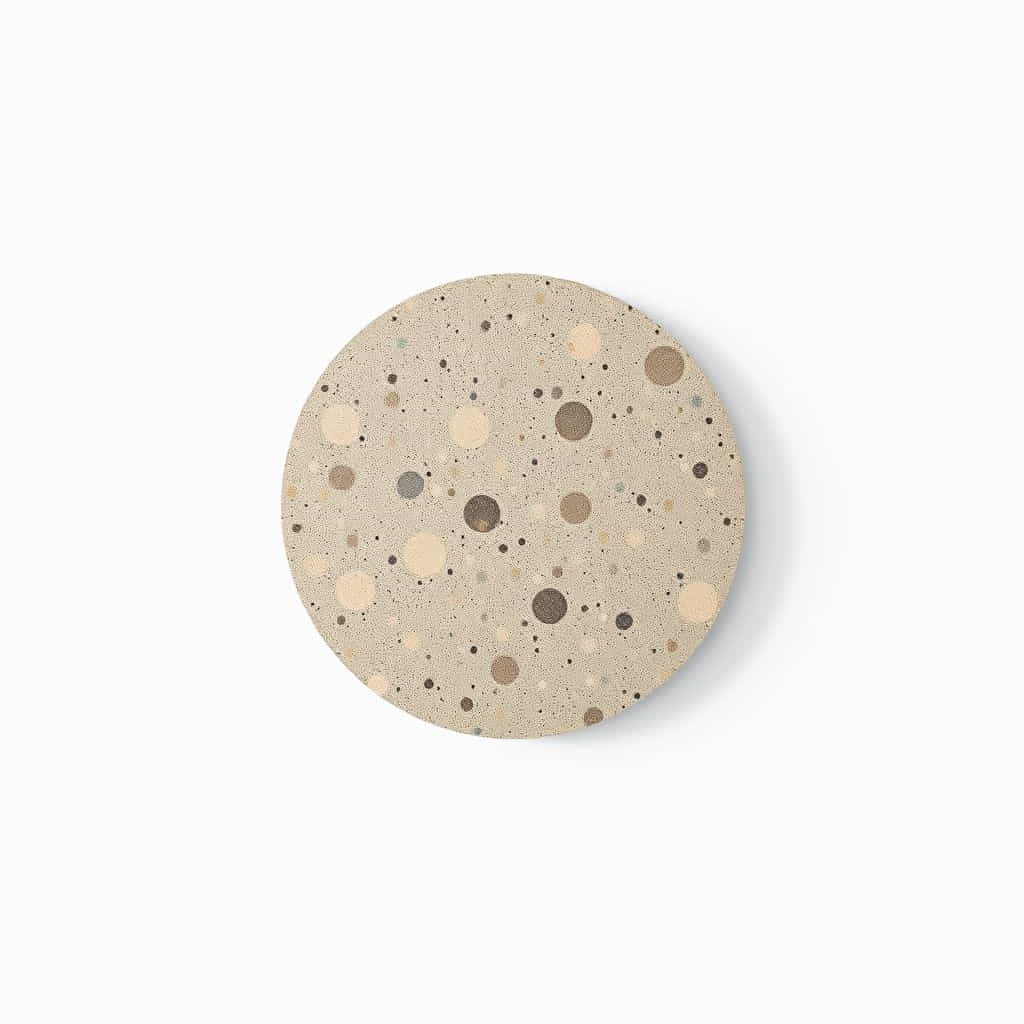
Orbicular Granite Around the World A Rare and Fascinating Geological FormationWhat Is Orbicular Granite?Orbicular granite is a rare and visually striking type of igneous rock characterized by the presence of rounded, concentric mineral structures known as orbicules. These orbicules form as a result of unique crystallization processes, creating a rock that looks unlike any other granite. With its distinct appearance and complex formation history, orbicular granite captures the attention of geologists, collectors, and stone enthusiasts worldwide.
Though rare, orbicular granite can be found in several locations across the globe, each with its own unique composition and story.
How Orbicular Granite Forms
Orbicular granite forms deep within the Earth’s crust during the slow cooling of magma. What sets it apart is the way certain minerals crystallize around a central nucleus, often a piece of earlier-formed rock or mineral grain. Over time, additional layers of minerals build up around this core, creating a series of concentric rings.
These orbicules can range in size from a few millimeters to several centimeters, and their composition often includes feldspar, quartz, biotite, and hornblende. The result is a beautifully patterned rock that almost seems crafted by hand.
Key Characteristics of Orbicular Granite
-
Distinct Orbicules Rounded, multi-layered mineral structures.
-
High Silica Content Like most granites, it contains quartz and feldspar.
-
Rare Occurrence Found only in a few locations worldwide.
-
Attractive Patterns Highly valued for ornamental and decorative purposes.
These features make orbicular granite not only geologically significant but also aesthetically appealing.
Famous Locations of Orbicular Granite
While orbicular granite is rare, it has been identified in a few select regions. Each location reveals slight differences in mineral content, formation history, and appearance.
1. Corsica, France – Orbicular di Corsica
Perhaps the most famous example is found near Ajaccio, Corsica. Known as Orbicular di Corsica, this granite features large, well-formed orbicules with striking color contrasts. It was first described in the 19th century and remains a classic study site for orbicular granite.
2. Kumlinge, Finland – Rapakivi Variant
In the Åland Islands of Finland, orbicular granite is associated with Rapakivi granite formations. The orbicules here are smaller but still distinct, and the area is of great interest to Scandinavian geologists.
3. Sierra Nevada, California, USA
A lesser-known but scientifically valuable outcrop exists in the Sierra Nevada mountain range. These orbicules are often rich in biotite and hornblende, giving them a darker appearance compared to those found in Europe.
4. Boogardie Station, Australia
Western Australia is home to a beautiful and colorful variety of orbicular granite. The orbicules often display shades of red, pink, and black, making this rock particularly eye-catching.
Why Orbicular Granite Is So Rare
The formation of orbicular granite requires very specific environmental conditions. These include sudden changes in magma temperature, composition, or pressure. Such conditions don’t occur frequently, which explains the rarity of this rock.
Moreover, many orbicular granites form in small, localized intrusions, often surrounded by more typical granite types. This adds to their geological and economic uniqueness.
Scientific Interest and Research
Orbicular granite offers geologists a rare opportunity to study crystallization processes in real-time, recorded in stone. The layered structure of the orbicules tells a story of how minerals nucleated and grew in changing conditions.
Researchers analyze the mineral layers to understand
-
Magma chamber dynamics
-
Rates of crystallization
-
Fluid movements within the crust
-
The influence of external cooling events
Each orbicule is like a tiny time capsule, preserving information about Earth’s interior processes.
Uses in Architecture and Design
Because of its striking patterns, orbicular granite is sometimes used in decorative architecture and luxury design. Slabs of this rock are polished and used for
-
Table tops
-
Wall panels
-
Decorative tiles
-
Sculptures and ornamental items
However, due to its rarity, it is not commonly used for large-scale projects. When it does appear, it is often treated as a centerpiece or accent element.
Conservation and Ethical Sourcing
Since orbicular granite occurs in limited deposits, responsible sourcing is crucial. Some formations, like those in Corsica, are protected by local laws to prevent overextraction and preserve their scientific value.
Collectors and designers interested in this stone are encouraged to source from legal, ethical providers and support conservation efforts that protect these geologic treasures for future generations.
Orbicular Granite vs. Regular Granite
Though both are intrusive igneous rocks, orbicular granite differs from standard granite in several ways
-
Visual Texture Regular granite has a speckled, uniform texture; orbicular granite shows rounded patterns.
-
Formation Process Orbicular granite forms under more variable and less stable conditions.
-
Availability Standard granite is widespread and used globally in construction. Orbicular granite is rare and more decorative.
Understanding these differences highlights the special nature of orbicular granite in both scientific and practical contexts.
Conclusion A Rare Jewel of Geology
Orbicular granite is one of nature’s most beautiful and mysterious rock types. Found in only a handful of places across the globe, it fascinates geologists and captivates anyone who appreciates natural art.
With its complex formation process, limited availability, and stunning appearance, orbicular granite stands as a rare geological phenomenon. Whether admired in a museum, studied in the field, or featured in an elegant design, it continues to inspire curiosity and wonder about the dynamic processes shaping our planet.