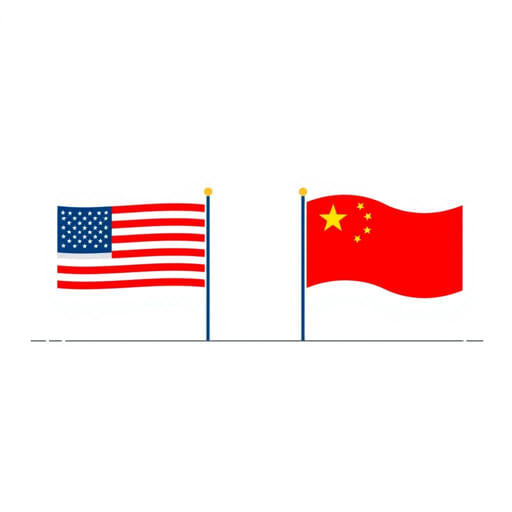
The US-China Trade War and the Rise of ProtectionismThe US-China trade war, a defining event in modern global economics, has been marked by rising tensions between the two largest economies in the world. At its core, the trade war revolves around the imposition of tariffs, trade barriers, and policies designed to protect domestic industries. This topic explores the key aspects of the US-China trade war, the rise of protectionism, and the impact on global trade.
What Is the US-China Trade War?
The US-China trade war began in 2018 when the United States, under President Donald Trump’s administration, initiated a series of tariffs on Chinese goods. This move was largely driven by concerns over China’s trade practices, intellectual property theft, and its growing influence on the global market. China responded with tariffs of its own on American products, marking the start of a prolonged economic conflict between the two nations.
The trade war has had significant consequences for both countries and the global economy. While the tariffs have increased the cost of goods and disrupted supply chains, they have also sparked a broader debate on the role of protectionism in international trade.
Protectionism A Key Element of the Trade War
Protectionism refers to policies and actions that aim to shield a country’s domestic industries from foreign competition. In the case of the US-China trade war, protectionist measures have primarily taken the form of tariffs taxes on imports that make foreign goods more expensive. These measures were implemented by both the US and China in an attempt to protect local industries from what they perceive as unfair trade practices by the other side.
The US government, for instance, targeted Chinese-made products, arguing that China’s trade policies were damaging to American businesses. These tariffs were intended to encourage domestic production and reduce reliance on foreign imports. On the other hand, China imposed tariffs on American goods in retaliation, affecting industries like agriculture, automotive, and technology.
The Economic Impact of Protectionism
1. Higher Costs for Consumers
One of the immediate effects of protectionist policies like tariffs is an increase in prices for consumers. Tariffs on Chinese goods meant that American companies had to pay more for imported products, leading to higher costs for a wide range of consumer goods, from electronics to clothing.
For example, companies that rely on Chinese manufacturing faced higher production costs, which were often passed down to consumers. As a result, many American families experienced an increase in the prices of everyday items, affecting their purchasing power and standard of living.
2. Disruption to Global Supply Chains
The US-China trade war also disrupted global supply chains, which are essential for modern production. Many industries, particularly electronics, rely on Chinese manufacturers for parts and components. The imposition of tariffs made it more expensive to source these goods, causing delays and increasing production costs for companies worldwide.
This disruption has led some companies to reconsider their reliance on China and look for alternative suppliers in other countries. While this shift may help reduce dependence on China in the long term, it has also resulted in short-term challenges for businesses as they adjust to new supply chain dynamics.
3. Impact on US Farmers and Exporters
Farmers and exporters in the United States have been hit particularly hard by the trade war. China, a major buyer of American agricultural products such as soybeans, pork, and cotton, imposed tariffs on these goods in response to the US tariffs. As a result, American farmers saw a significant reduction in demand for their products in China, leading to financial losses for many.
To mitigate the impact on farmers, the US government provided subsidies and financial assistance. However, these measures have not fully compensated for the loss of trade with China, and many farmers continue to face economic challenges as a result of the ongoing trade war.
4. Global Economic Slowdown
The trade war has contributed to a slowdown in global economic growth. As the US and China imposed tariffs on each other’s goods, other countries felt the ripple effects. The uncertainty surrounding the trade conflict has led to reduced investment and slower growth in other parts of the world.
For instance, countries in the Asia-Pacific region, which rely heavily on trade with both the US and China, have faced economic challenges as a result of the tariffs. The trade war has also affected global stock markets, with volatility increasing due to concerns over the potential long-term consequences of the conflict.
The Role of Tariffs in the Trade War
Tariffs have been one of the primary tools used by both the US and China in their trade war. These taxes on imported goods make foreign products more expensive and less competitive compared to domestic goods. While tariffs are intended to protect local industries, they often have unintended consequences, such as higher costs for consumers and disrupted supply chains.
In the case of the US-China trade war, tariffs were used not only to address trade imbalances but also as leverage to negotiate better trade deals. The US sought to reduce its trade deficit with China and push China to make concessions on issues such as intellectual property protection and market access.
Negotiations and the Phase One Deal
In January 2020, the US and China reached a partial agreement known as the ‘Phase One Deal.’ This deal included commitments from China to purchase more American goods, particularly agricultural products, and to address intellectual property concerns. In exchange, the US agreed to reduce some of the tariffs on Chinese products.
While the Phase One Deal was seen as a step toward resolving the trade war, many of the more contentious issues, such as China’s industrial policies and the long-term effects of tariffs, remain unresolved. The agreement highlighted the complex nature of the trade conflict and the challenges of finding a comprehensive solution to the issues at hand.
Global Trade in the Post-Trade War Era
As the US-China trade war continues to unfold, it has raised broader questions about the future of global trade and the role of protectionism. Many experts argue that the trade war could signal a shift toward a more protectionist global economy, where countries prioritize domestic industries over international cooperation.
However, others believe that the trade war will eventually lead to a new trade order, where countries are more mindful of issues like intellectual property protection and fair market access. The eventual resolution of the US-China trade conflict could pave the way for more balanced and equitable global trade relationships.
The US-China trade war has been a defining moment in the global economic landscape, marking a shift toward protectionism and reshaping the way nations approach trade. While the economic impacts of the trade war have been far-reaching, it has also sparked important debates about the future of global commerce. As the world moves forward, the lessons learned from this conflict will likely influence the policies and strategies of nations around the globe.