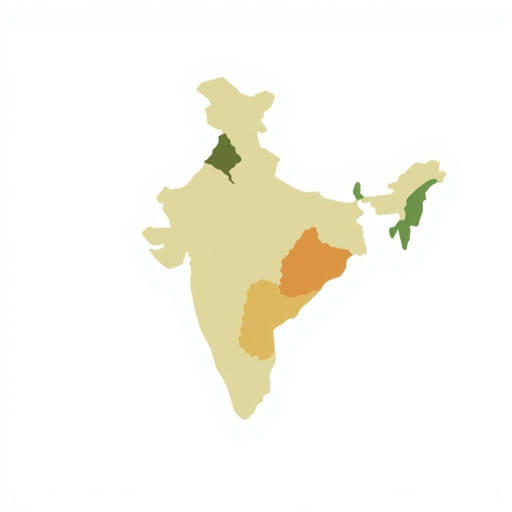
A Comprehensive Guide to the Agro-Climatic Zones in IndiaIndia is a vast country with diverse geography, weather patterns, and soil types. This diversity directly influences the country’s agriculture, which is the primary livelihood for millions of Indians. To manage agricultural planning and development more effectively, India has been divided into several agro-climatic zones. Each zone represents a specific set of climate, soil, and crop-growing conditions. Understanding these zones helps optimize crop production and manage natural resources wisely.
What Are Agro-Climatic Zones?
Agro-climatic zones are land areas classified based on climate conditions, soil type, topography, and agricultural practices. These zones help determine the most suitable crops for each region and guide agricultural policies and research.
India’s Planning Commission originally divided the country into 15 agro-climatic zones, which were later refined further by the Indian Council of Agricultural Research (ICAR) into 127 sub-zones. In this topic, we focus on the 15 major agro-climatic zones, their features, and their significance in Indian agriculture.
1. Western Himalayan Region
States Covered Jammu and Kashmir, Himachal Pradesh, and Uttarakhand.
Key Features This region has a cold climate with moderate rainfall. Due to hilly terrain, terrace farming is common. Major crops include apples, barley, wheat, and temperate vegetables.
Agro-Potential Ideal for horticulture, medicinal plants, and high-value crops that require cooler temperatures.
2. Eastern Himalayan Region
States Covered Sikkim, Arunachal Pradesh, parts of Assam and West Bengal (hill areas).
Climate and Soil High rainfall and humidity, with acidic soils. The terrain is mostly mountainous.
Crops Grown Tea, ginger, oranges, cardamom, and rice dominate this zone. Organic farming is also expanding here.
3. Lower Gangetic Plains Region
States Covered West Bengal and parts of Bihar.
Climate Characteristics Hot and humid with rich alluvial soil. Rainfall is abundant.
Agricultural Focus Paddy, jute, sugarcane, and vegetables are major crops. This zone supports intensive agriculture due to fertile land and good irrigation.
4. Middle Gangetic Plains Region
States Covered Eastern Uttar Pradesh and parts of Bihar.
Soil and Weather Alluvial soil and moderate rainfall. Prone to floods in monsoon.
Main Crops Rice, wheat, maize, lentils, and pulses. Double cropping is common due to favorable conditions.
5. Upper Gangetic Plains Region
States Covered Western Uttar Pradesh.
Agro-Conditions Fertile alluvial soils with both summer and winter crops supported by irrigation.
Crops Produced Wheat, rice, sugarcane, and mustard are prominent. It is one of India’s top wheat-producing zones.
6. Trans-Gangetic Plains Region
States Covered Punjab, Haryana, and Chandigarh.
Soil and Rainfall Highly fertile with low rainfall. Extensive canal irrigation supports agriculture.
Dominant Crops Wheat and rice are the backbone of this region’s agriculture. It forms part of the Green Revolution belt.
7. Eastern Plateau and Hills Region
States Covered Chhattisgarh, Odisha, Jharkhand, and parts of Madhya Pradesh.
Topography and Rainfall Undulating terrain with moderate to high rainfall. Soils are red and lateritic.
Agriculture Pattern Paddy, millets, and pulses are commonly grown. Tribal farming and shifting cultivation still exist in some areas.
8. Central Plateau and Hills Region
States Covered Parts of Madhya Pradesh, Uttar Pradesh, and Rajasthan.
Features Moderate rainfall with mixed red and black soils.
Key Crops Sorghum, maize, soybean, and pulses dominate. This region also has scope for oilseed cultivation.
9. Western Plateau and Hills Region
States Covered Maharashtra, parts of Madhya Pradesh, and Rajasthan.
Climatic Conditions Semi-arid with low to moderate rainfall. Soil is mainly black and red.
Agricultural Output Cotton, soybean, and pulses are the major crops. Rainfed farming is common.
10. Southern Plateau and Hills Region
States Covered Parts of Karnataka, Andhra Pradesh, Tamil Nadu, and Kerala.
Geographic Traits Red loamy soils and moderate rainfall. The terrain includes both plateau and hills.
Farming Practices Millets, pulses, groundnut, and ragi are grown extensively. Dryland farming techniques are widely used.
11. East Coast Plains and Hills Region
States Covered Coastal Andhra Pradesh, Tamil Nadu, Odisha, and parts of Puducherry.
Agro-Climate High humidity with moderate to high rainfall. Soils are mainly alluvial and coastal sandy.
Major Crops Paddy, sugarcane, coconut, and groundnut thrive here. Fishing and aquaculture are also practiced.
12. West Coast Plains and Ghats Region
States Covered Coastal Maharashtra, Goa, Karnataka, and Kerala.
Weather and Terrain High rainfall, tropical climate, and lateritic soils. Western Ghats contribute to biodiversity.
Key Produce Spices like pepper and cardamom, plantation crops like coconut and areca nut, and paddy are cultivated.
13. Gujarat Plains and Hills Region
State Covered Entire Gujarat and parts of Rajasthan and Maharashtra.
Environmental Factors Arid to semi-arid with black and alluvial soils. Rainfall is erratic.
Agriculture Type Groundnut, cotton, and bajra are primary crops. Horticulture and dairy farming are important too.
14. Western Dry Region
States Covered Western Rajasthan.
Climate Profile Extremely low rainfall and sandy soils. Desert conditions prevail.
Farming Adaptations Drought-resistant crops like pearl millet (bajra), cluster bean, and moth bean are grown. Livestock rearing is also significant.
15. Islands Region
Territories Included Andaman and Nicobar Islands, and Lakshadweep.
Climate and Soil Hot and humid with high rainfall. Soils are sandy and coastal.
Key Activities Coconut, areca nut, tropical fruits, and spices are cultivated. Marine resources play a vital role in the economy.
Importance of Agro-Climatic Zones
These agro-climatic zones help agricultural scientists, policymakers, and farmers in selecting appropriate crops, technologies, and management practices. They also aid in promoting sustainable agriculture, conserving water, and increasing productivity while addressing the challenges of climate change.
India’s classification into 15 agro-climatic zones reflects the country’s environmental richness and agricultural potential. From the dry deserts of Rajasthan to the lush plantations of Kerala, each zone contributes uniquely to the country’s food security and economy. Understanding these zones allows for smarter farming strategies, better resource use, and higher yields. With growing awareness of climate impact, tailoring agriculture to fit each agro-climatic zone is more crucial than ever.