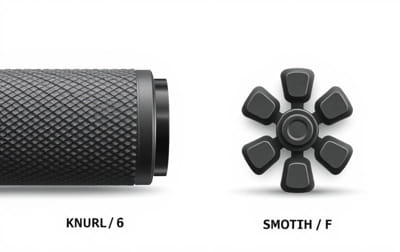
Knurl Grip vs 6 Point A Comprehensive ComparisonWhen selecting tools and fasteners, understanding the differences between different types of grips and designs is essential. Two commonly used designs in tools and fasteners are knurl grips and 6-point designs. Both are used for specific applications, offering unique benefits. This topic will explore the key differences between knurl grips and 6-point designs, helping you understand their advantages and how to choose the right one for your needs.
What is a Knurl Grip?
A knurl grip refers to a textured surface, typically found on hand tools such as wrenches, screwdrivers, and other equipment, which provides better traction. Knurling is a pattern of raised lines or diamonds pressed into the surface of the tool, making it easier to hold and operate, especially in slippery or sweaty conditions.
Key Features of Knurl Grips
-
Textured Surface Knurling is done by creating a pattern of small ridges or crosshatch marks that improve grip.
-
Improved Handling The primary benefit of knurling is increased grip, which allows the user to maintain control even in difficult conditions.
-
Variety of Patterns Different knurling patterns can be used for different applications, ranging from straight lines to diamond shapes.
Common Uses of Knurl Grips
-
Hand Tools Knurl grips are often used in hand tools like pliers, screwdrivers, and wrenches where a firm grip is needed.
-
Fasteners Some fasteners, such as bolts, may feature a knurled surface for easy handling and tightening.
-
Machinery Parts Knurl grips are used in various machinery components, especially those that require manual interaction.
What is a 6-Point Design?
A 6-point design refers to a specific type of fastening or tool head configuration, most commonly seen in sockets or wrench heads. The term ‘6-point’ comes from the fact that the tool’s head or the socket has six contact points that grip the fastener. This design is primarily used for driving bolts, nuts, and other fasteners.
Key Features of 6-Point Design
-
Six Contact Points The 6-point design includes six flat surfaces within the socket or wrench head, ensuring that the tool grips the fastener securely.
-
Increased Surface Area The design of the 6-point tool allows for even pressure distribution across the fastener, reducing the chances of rounding off the corners.
-
High Torque A 6-point socket or wrench is excellent for high-torque applications, as it can handle more pressure without slipping.
Common Uses of 6-Point Design
-
Heavy-Duty Applications 6-point designs are commonly used in automotive, industrial, and mechanical applications where high torque is required.
-
Preventing Damage The design prevents damage to fasteners, making it ideal for high-precision work and reducing the risk of stripping or rounding off fastener heads.
-
Tightening and Loosening Fasteners The 6-point wrench or socket is perfect for securely tightening or loosening stubborn bolts and nuts.
Knurl Grip vs 6-Point Design Key Differences
While both knurl grips and 6-point designs are used to enhance the performance of tools and fasteners, they serve different purposes. Let’s compare them based on several factors to help you understand which one is better for specific applications.
1. Purpose and Functionality
-
Knurl Grip The purpose of a knurl grip is to enhance the tactile feel of a tool, allowing the user to maintain a firm hold even in difficult conditions. This is especially useful in hand tools where precision and control are important.
-
6-Point Design The 6-point design is focused on ensuring a secure fit for fasteners, such as bolts and nuts. It offers greater torque transfer and reduces the likelihood of damaging the fastener, making it ideal for mechanical and automotive work.
2. Grip vs. Torque
-
Knurl Grip The primary benefit of a knurl grip is the increased ability to grip a tool. While it doesn’t directly affect the torque or turning power of the tool, it helps prevent slippage during use, which is important for safety and efficiency.
-
6-Point Design The 6-point design directly affects the torque a tool can apply. The six contact points ensure better grip on the fastener, enabling the user to apply higher amounts of torque without slipping or damaging the fastener.
3. Durability and Longevity
-
Knurl Grip Knurl grips are durable, but their longevity depends on the material of the tool and how much wear and tear the tool undergoes. Over time, the texture of the knurl may wear down, especially if the tool is exposed to harsh environments.
-
6-Point Design The 6-point design is generally very durable, especially when made of hardened steel. It ensures that the tool can handle high-torque applications without compromising the fastener or the tool itself.
4. Suitability for Different Applications
-
Knurl Grip Knurl grips are ideal for hand tools and situations where a strong, comfortable grip is necessary. They are frequently used in tools that need to be held and controlled manually, such as screwdrivers, pliers, and other handheld devices.
-
6-Point Design The 6-point design excels in high-torque, heavy-duty applications. It is especially useful in mechanical and automotive industries, where the risk of rounding off fasteners is high.
When to Use Knurl Grip vs 6-Point Design
Both knurl grips and 6-point designs serve different purposes and should be chosen based on the specific needs of your task.
Choose Knurl Grip When
-
You need a firm, non-slip grip on hand tools for precision work.
-
You are working in environments where your hands might be slippery, such as when handling tools in wet or oily conditions.
-
You are using a tool that doesn’t require high torque but needs better control and handling.
Choose 6-Point Design When
-
You need to apply high torque to fasteners without damaging them.
-
You are working with mechanical or automotive parts where fasteners may be subject to heavy stress and require secure tightening.
-
You want to prevent fasteners from being rounded or stripped, especially in high-torque or high-precision applications.
while both knurl grips and 6-point designs are crucial in the world of tools and fasteners, they serve distinct functions. A knurl grip enhances the handling and control of hand tools, making them more comfortable to use in tight or slippery situations. On the other hand, a 6-point design provides superior torque and prevents fastener damage, making it ideal for heavy-duty applications.
Understanding when and where to use each of these designs will allow you to select the right tool for the job, whether you need better control, higher torque, or enhanced durability.