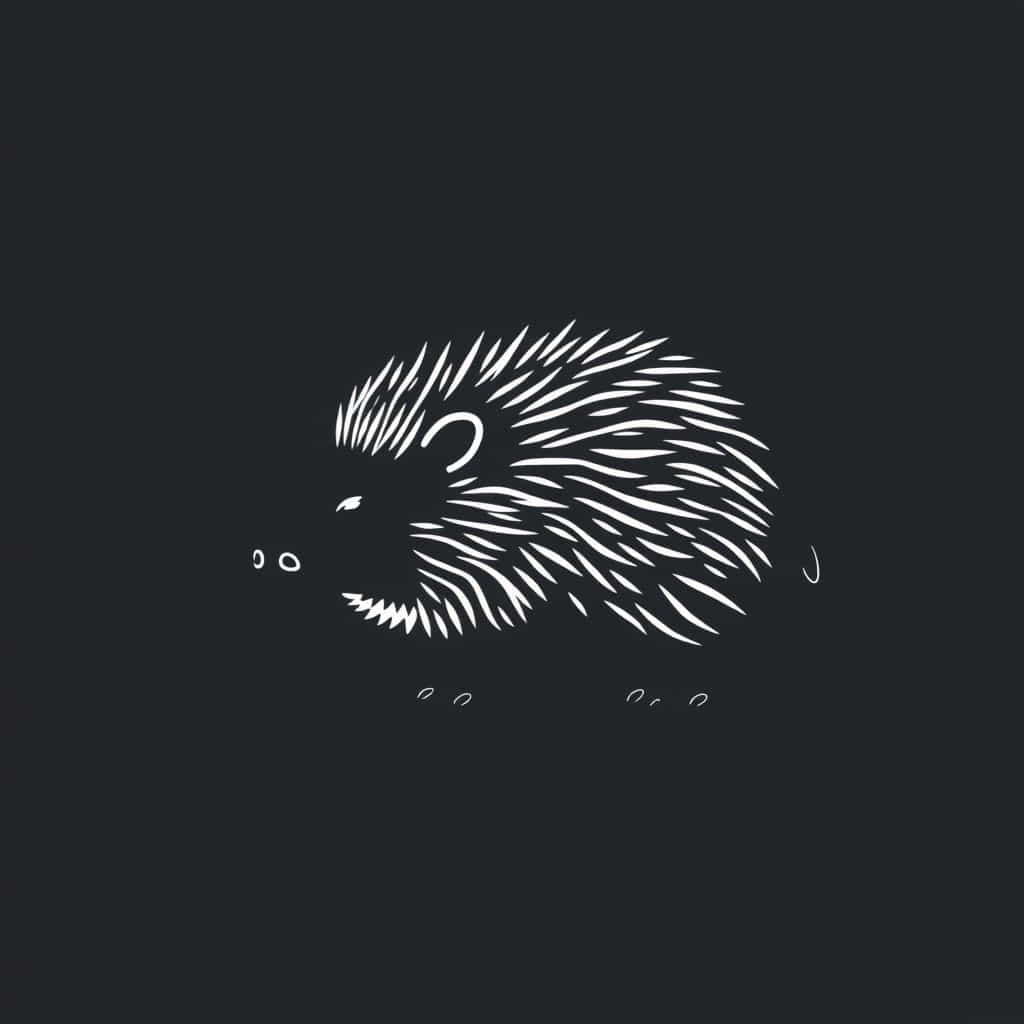
Fun Facts About Collared Peccary A Fascinating Creature of the WildThe Collared Peccary (Pecari tajacu) is a unique and intriguing animal native to the Americas. Often mistaken for wild pigs, these creatures have their own set of characteristics that set them apart. With their distinctive appearance, social behavior, and ecological role, Collared Peccaries are an important part of their environment. In this topic, we will explore some fun facts about Collared Peccaries that highlight their fascinating lifestyle.
What is a Collared Peccary?
The Collared Peccary, also known as the Javelina, is a medium-sized mammal found primarily in the southwestern United States, Mexico, and Central America. Unlike pigs, peccaries belong to the family Tayassuidae and have distinct features that make them stand out in the wild. They are typically about 16-24 inches tall at the shoulder and weigh between 40 and 60 pounds, depending on their age and environment.
Collared Peccaries are often recognized for the dark-colored ‘collar’ of fur around their neck, which gives them their name. This collar is one of the distinguishing features that separates them from other species of peccaries.
Physical Characteristics of the Collared Peccary
Unique Appearance
The Collared Peccary has a robust, stocky body with short legs and a coarse, bristly coat that varies in color from grayish-brown to black. The most striking feature is the pale-colored collar of fur around their neck, which contrasts with the darker coat of the body. Their snout is somewhat pig-like, but they have a distinctive, downward-curved shape that sets them apart from domesticated pigs.
Teeth and Tusks
Collared Peccaries have sharp teeth that are used for cutting and grinding their food. They also have small tusks that can be visible when their mouth is open. These tusks are used for defense and during interactions with other peccaries, although they are not typically aggressive.
Habitat and Distribution
Collared Peccaries are primarily found in arid and semi-arid regions. They can be found in deserts, scrublands, and tropical forests across the southwestern United States, Mexico, and parts of Central America. These adaptable animals can live in a variety of environments, from desert areas with sparse vegetation to forests with dense undergrowth.
They are highly adaptable creatures, able to thrive in both hot, dry environments and more temperate regions. Collared Peccaries are often found in groups, moving through their habitat in search of food and water.
Behavior and Social Structure
Social Animals
Collared Peccaries are social creatures that live in groups, or ‘herds,’ typically consisting of 2 to 12 individuals. These groups are usually composed of family members and work together to find food, protect each other, and communicate. Herds are led by a dominant female, and they work together to care for the young and keep an eye out for predators.
These animals are known for their vocal communication, using a variety of sounds to communicate with one another. They make grunting, growling, and squealing noises when interacting within the group. These sounds help maintain group cohesion and warn of potential dangers.
Territorial Behavior
Although they are social animals, Collared Peccaries are territorial and will defend their space against other peccaries or animals that might pose a threat. They mark their territory with a strong-smelling musk from glands located near their tail. This musk serves as a warning to other peccaries and potential intruders.
Diet and Feeding Habits
Collared Peccaries are omnivores and have a varied diet. They primarily feed on plant materials such as fruits, seeds, cacti, and grasses. They are also known to eat small animals, including insects, lizards, and even the occasional bird or egg. Their strong sense of smell helps them locate food buried underground or hidden in the dense vegetation.
Peccaries are particularly fond of eating prickly pear cacti, and their ability to handle the spines of the cactus with ease is one of their remarkable adaptations. They use their sharp teeth and strong jaws to break through the cactus to access the nutritious pulp inside.
Reproduction and Lifespan
Mating and Family Life
Collared Peccaries typically mate during the cooler months, with the peak of mating season occurring in late winter to early spring. After a gestation period of around 150 days, the female gives birth to one to three young, known as ‘piglets.’ These piglets are born with their eyes open and are able to move around shortly after birth. They are cared for by the mother, and sometimes other members of the group assist in looking after the young.
Unlike some animals, Collared Peccaries do not have a strict breeding season, and mating can occur throughout the year depending on environmental conditions. The young peccaries grow quickly, reaching maturity in about one year.
Lifespan
In the wild, Collared Peccaries can live up to 10 years, although many do not survive this long due to predation, disease, and environmental factors. In captivity, their lifespan can be slightly longer, but they still face many challenges. Predators such as coyotes, bobcats, and even mountain lions are natural threats to peccaries.
Fun Facts About the Collared Peccary
-
A Unique Name The name ‘Javelina’ comes from the Spanish word ‘jabalí,’ meaning wild boar. However, peccaries are not actually related to boars or pigs, despite their similar appearance.
-
Excellent Climbers Although they are typically ground-dwelling animals, Collared Peccaries are surprisingly good climbers. They have been observed climbing small trees and bushes when needed to escape predators or to forage for food.
-
Adaptable Diet Collared Peccaries are opportunistic feeders and will consume a wide range of foods depending on what is available. This includes fruits, seeds, roots, and even small vertebrates.
-
Important Ecosystem Role Collared Peccaries play an essential role in their ecosystem by helping to disperse seeds. As they forage, they unintentionally spread seeds and contribute to the growth of new plants.
-
Distinct Communication They communicate with each other using a variety of sounds, from grunts to squeals. These vocalizations help them coordinate group activities and warn of predators.
-
Surprisingly Tolerant of Heat Collared Peccaries are well-adapted to the hot climates they often inhabit. Their dense fur provides some protection from the sun, and they are able to find water and food sources in challenging environments.
Conservation and Threats
While the Collared Peccary is not currently considered endangered, their population faces several threats. Habitat destruction due to agriculture and urbanization is one of the biggest challenges for these animals. Additionally, they are sometimes hunted for their meat, though this is not a widespread practice.
The expansion of human settlements into their habitats has led to more frequent encounters with people, which can lead to conflict. In some areas, peccaries are considered pests by farmers, especially when they dig up crops or compete for food.
Conservation efforts are aimed at protecting the habitats of Collared Peccaries and promoting coexistence with human communities. These efforts include protecting areas of natural habitat and encouraging sustainable farming practices that minimize the impact on wildlife.
The Collared Peccary is a fascinating animal that plays a vital role in the ecosystems of the Americas. With its distinctive appearance, social behavior, and unique adaptations, it is a creature worth learning about. While Collared Peccaries face some threats from habitat loss and human conflict, their adaptability and role in nature ensure that they remain an important part of the wild landscape. By understanding more about these creatures, we can help ensure their continued survival and appreciation in the natural world.