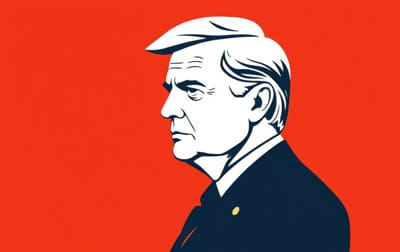
Polish Prime Minister Donald Tusk A Leader Who Shaped Modern PolandIntroduction to Donald Tusk’s Political CareerDonald Tusk is one of the most prominent political figures in contemporary Poland. Known for his role as the Prime Minister of Poland from 2007 to 2014 and later as the President of the European Council, Tusk’s influence extends far beyond his home country. This topic explores his political career, his achievements, challenges, and his impact on both Polish and European politics.
Early Life and Rise in Politics
Born on April 22, 1957, in Gdańsk, Poland, Donald Tusk’s political journey began during a time of immense social and political change. Growing up in communist Poland, Tusk was active in the anti-communist movement during the 1980s. His early involvement in the opposition against the Soviet-backed regime laid the foundation for his later political career.
Formation of Civic Platform
In 2001, Tusk co-founded the Civic Platform (Platforma Obywatelska, PO), a center-right political party that became a major force in Polish politics. The party was established as a response to the need for a pro-European Union and economically liberal alternative to the ruling parties. Tusk quickly became the face of the party, advocating for Poland’s integration into the European Union and for reforms aimed at modernizing the country’s economy.
Donald Tusk’s Tenure as Prime Minister (2007-2014)
Donald Tusk became the Prime Minister of Poland in November 2007 after the Civic Platform won the parliamentary elections. His time in office was marked by significant reforms and Poland’s continued integration into the European Union.
Economic Growth and Reforms
One of Tusk’s major achievements as Prime Minister was steering Poland through the global financial crisis of 2008. While many European economies struggled, Poland was one of the few EU countries to avoid a recession during this period. Tusk’s government focused on economic reforms, improving the business environment, and attracting foreign investment. Under his leadership, Poland experienced steady economic growth and lower unemployment rates, a rare success in Europe during the economic downturn.
Strengthening Poland’s Position in the EU
Tusk was also a strong advocate for Poland’s role in the European Union. He pushed for greater integration and alignment with Western Europe, particularly in economic and security matters. His government worked to enhance Poland’s influence within the EU, and Tusk himself gained international recognition for his diplomatic efforts. His work contributed to Poland’s continued rise as a key player in Central and Eastern European politics.
Challenges and Controversies
While Tusk’s tenure as Prime Minister was largely viewed as successful, it was not without its challenges. He faced significant opposition from the Law and Justice Party (PiS), a right-wing political group that criticized his pro-European policies. This ongoing political rivalry would shape much of his later political career.
Smolensk Disaster
A major turning point in Tusk’s career was the tragic Smolensk air disaster of 2010, which claimed the lives of 96 people, including Polish President Lech Kaczyński and several high-ranking officials. The disaster had a profound impact on Polish politics and the national psyche. Tusk’s handling of the aftermath of the event was widely scrutinized, especially in light of the political tensions with the Kaczyński family, who led the opposing PiS party. The disaster continued to influence Tusk’s relationship with the Kaczyński brothers and shaped the political landscape for years to come.
Tusk as President of the European Council (2014-2019)
After serving as Poland’s Prime Minister, Donald Tusk was appointed President of the European Council in 2014. In this role, he became one of the most influential figures in European politics, representing the interests of EU member states at the highest levels.
Leadership During Key European Crises
As President of the European Council, Tusk’s leadership was tested by several crises that shaped the future of Europe. One of the most significant challenges during his tenure was the migrant crisis, which saw a massive influx of refugees into Europe, particularly from conflict zones like Syria. Tusk played a crucial role in managing the EU’s response, advocating for a common European approach to handling the crisis.
The Brexit Negotiations
Another defining moment of Tusk’s presidency was his role in the Brexit negotiations following the United Kingdom’s decision to leave the European Union. Tusk took a firm stance on the importance of European unity and was a key figure in guiding the EU’s response to the UK’s withdrawal. His diplomatic efforts were crucial in maintaining cohesion among EU member states during one of the most significant events in European history.
Tusk’s Return to Polish Politics
After his tenure as President of the European Council, Tusk returned to Polish politics in 2021. His return was marked by his decision to once again lead the Civic Platform party. His return was seen as a potential challenge to the ruling PiS party, which had dominated Polish politics in recent years. Tusk’s re-emergence brought with it a renewed focus on pro-European policies and efforts to combat the growing influence of right-wing nationalism in Poland.
Controversies and Ongoing Rivalries
Tusk’s return to Poland has not been without controversy. His political opponents, particularly the PiS, have accused him of being a foreign agent and have criticized his time in the EU for undermining Polish sovereignty. Despite these accusations, Tusk has remained a key figure in the political opposition, focusing on defending democratic values and advocating for closer ties with the European Union.
The Legacy of Donald Tusk
Donald Tusk’s political career is a testament to his ability to navigate Poland through times of economic hardship, political unrest, and international crises. His leadership in both national and European politics has left a lasting mark on Poland and the EU.
A Pro-European Vision
One of the central aspects of Tusk’s legacy is his pro-European stance. As both Prime Minister of Poland and President of the European Council, Tusk consistently advocated for greater European integration and cooperation. His commitment to strengthening Poland’s position within the EU and his efforts to safeguard European unity during times of crisis have been widely praised.
A Controversial Figure in Polish Politics
Despite his achievements, Tusk remains a polarizing figure in Poland. His political rivals continue to criticize his pro-European policies and his handling of domestic issues during his time as Prime Minister. However, for many, Tusk is seen as a symbol of stability and modernization in Poland, and his influence on the country’s political trajectory cannot be denied.
Conclusion Tusk’s Enduring Impact on Polish and European Politics
Donald Tusk’s political career has been defined by his commitment to modernizing Poland, strengthening its ties with Europe, and navigating complex international challenges. His tenure as both Prime Minister of Poland and President of the European Council has shaped not only Polish politics but also the broader European landscape. As Poland continues to grapple with internal political divisions and external pressures, Tusk’s leadership and vision for a united Europe will remain an essential part of the country’s political legacy.