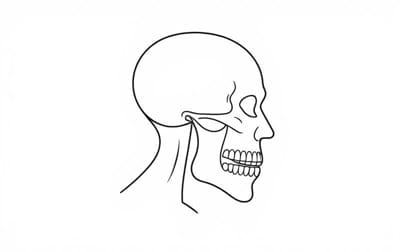
Levator Scapulae and Jaw Understanding Their Connection and ImportanceThe human body is a complex network of muscles working together to perform everyday movements. Among these, the levator scapulae muscle plays a crucial role in neck and shoulder motion. Interestingly, it also has a significant connection to jaw function, which many people might not realize. This topic explores the anatomy of the levator scapulae, its relationship with the jaw, and why this connection matters for your health and posture.
What Is the Levator Scapulae?
The levator scapulae is a muscle located at the back and side of your neck. Its name means ‘levator of the scapula,’ which means it helps lift the shoulder blade (scapula). Originating from the upper cervical vertebrae, it attaches to the upper part of the scapula. This muscle is essential for movements such as raising your shoulders and tilting your head to the side.
Anatomy of the Levator Scapulae
The levator scapulae starts from the transverse processes of the first four cervical vertebrae (C1 to C4) and inserts on the superior part of the scapula’s medial border. It is innervated mainly by the dorsal scapular nerve and assists with shoulder and neck movements.
How Does the Levator Scapulae Affect the Jaw?
Although primarily known for its role in shoulder and neck movement, the levator scapulae can influence jaw function in several ways
-
Posture Impact Poor posture, especially forward head posture, often involves tightness or strain in the levator scapulae. This tension can affect the alignment of the jaw and temporomandibular joint (TMJ).
-
Muscle Chains The body’s muscles work in chains or groups. Tension in the levator scapulae can cause compensatory tension in the muscles around the jaw, including the masseter and temporalis.
-
Neck and Jaw Pain Tight levator scapulae muscles can contribute to neck stiffness, which often correlates with jaw discomfort and even TMJ disorders.
Common Symptoms Linking Levator Scapulae and Jaw Issues
Many individuals experiencing jaw pain or TMJ disorders report related symptoms involving the neck and shoulders. Some common signs include
-
Neck stiffness or limited range of motion
-
Shoulder tightness or discomfort
-
Headaches, especially around the temples or base of the skull
-
Jaw clicking or difficulty opening the mouth fully
-
Pain that seems to move between the neck and jaw areas
These symptoms highlight the functional connection between the levator scapulae and jaw muscles.
Why Is This Connection Important?
Understanding the link between the levator scapulae and jaw is vital for both diagnosis and treatment. If jaw pain is accompanied by neck or shoulder tension, addressing only the jaw may not be enough. Treating the levator scapulae muscle and improving posture can significantly reduce discomfort and improve jaw function.
How to Care for Your Levator Scapulae and Jaw
Here are some practical tips to maintain healthy levator scapulae muscles and reduce jaw tension
1. Maintain Good Posture
Avoid slouching or leaning your head forward for long periods. Keeping your head aligned with your spine reduces strain on the levator scapulae and helps jaw alignment.
2. Regular Stretching and Strengthening
Gentle neck stretches targeting the levator scapulae can release tightness. Strengthening exercises for the upper back and neck muscles improve support and reduce compensatory strain.
3. Manage Stress
Stress often leads to jaw clenching and neck muscle tension. Practicing relaxation techniques can help ease muscle tightness.
4. Use Proper Ergonomics
Adjust your work setup, such as computer height and chair support, to maintain neutral posture and avoid unnecessary neck strain.
5. Seek Professional Help When Needed
If you experience persistent jaw or neck pain, consult a physical therapist or healthcare professional. They can design personalized treatments targeting both the levator scapulae and jaw muscles.
Exercises to Help Relieve Levator Scapulae and Jaw Tension
Here are simple exercises that can help ease tension in these areas
-
Levator Scapulae Stretch Sit or stand upright, turn your head 45 degrees to one side, then gently lower your chin towards your chest. Hold for 20-30 seconds and repeat on the other side.
-
Neck Tilts Slowly tilt your head toward your shoulder, hold for 15 seconds, and switch sides.
-
Jaw Relaxation Practice opening and closing your mouth slowly without clenching. You can also massage the jaw muscles gently to reduce tension.
When to See a Doctor
If you notice symptoms like severe jaw pain, locking of the jaw, persistent headaches, or neck stiffness that affects your daily life, seek medical advice. Early intervention can prevent worsening of conditions related to the levator scapulae and jaw.
The levator scapulae and jaw are connected through complex muscle interactions and posture. Recognizing this relationship helps in understanding causes of neck, shoulder, and jaw discomfort. By maintaining good posture, practicing stretches, and managing stress, you can support both your levator scapulae and jaw health. When needed, professional guidance can further enhance treatment and relief.
Paying attention to this often-overlooked connection could be the key to easing persistent pain and improving your overall comfort and well-being.