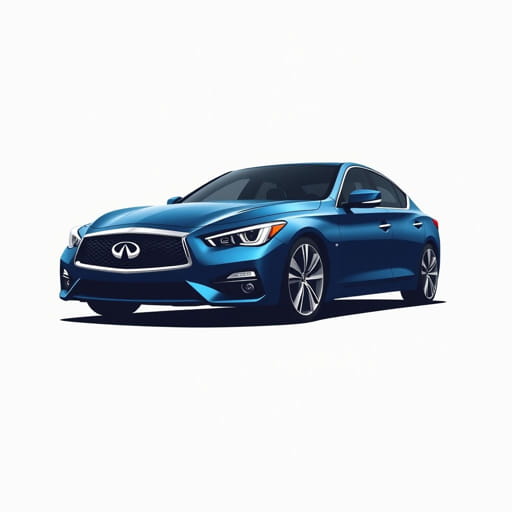
Infiniti Q50 3.7 Horsepower Performance, Specs, and Driving ExperienceThe Infiniti Q50 3.7 is a luxury sports sedan that has attracted attention for its balance of style, performance, and advanced technology. One of the standout features of this model is its 3.7-liter V6 engine, which delivers impressive horsepower and torque figures. This topic takes a closer look at the Infiniti Q50 3.7 horsepower, its performance specifications, engine features, and what makes this vehicle a favorite among driving enthusiasts.
Overview of the Infiniti Q50 3.7
The Infiniti Q50 3.7, particularly from the model years 2014 to 2015, came equipped with a powerful 3.7-liter V6 engine, known internally as the VQ37VHR. This engine has its roots in Nissan’s well-respected VQ-series engines, which are known for their reliability, responsiveness, and smooth power delivery.
The Q50 3.7 positioned itself in the entry-level luxury segment, offering both performance and comfort in a sleek sedan body. With sharp handling, a spacious interior, and cutting-edge tech features, it aimed to rival German brands like BMW and Audi.
Infiniti Q50 3.7 Horsepower and Torque Specs
The heart of the Q50 3.7 is its naturally aspirated V6 engine. Here are the key performance specifications
-
Engine Displacement 3.7 liters (V6)
-
Maximum Horsepower 328 horsepower at 7,000 rpm
-
Maximum Torque 269 lb-ft at 5,200 rpm
-
Transmission 7-speed automatic with manual shift mode
-
Drivetrain Rear-Wheel Drive (All-Wheel Drive optional)
These numbers translate into a spirited driving experience, with strong acceleration and smooth power delivery across the rev range.
Performance and Acceleration
The Infiniti Q50 3.7 offers robust acceleration, capable of sprinting from 0 to 60 mph in around 5.3 to 5.5 seconds, depending on drivetrain configuration and conditions. The V6 engine provides ample low-end torque and an aggressive surge of power as the revs climb toward the redline.
This performance makes the Q50 3.7 not just a comfortable cruiser but also a fun-to-drive sport sedan. The linear powerband, coupled with the responsive 7-speed automatic transmission, ensures seamless gear changes and an engaging driving feel.
Driving Dynamics and Handling
The Q50 3.7 benefits from a well-tuned suspension setup that strikes a balance between sporty agility and ride comfort. The steering is precise, especially with Infiniti’s available Direct Adaptive Steering system, which offers variable steering ratios and levels of feedback.
Paired with the solid power output of the 3.7 V6, the chassis delivers confidence-inspiring handling through corners, while the optional all-wheel-drive system enhances traction in various road conditions.
Engine Technology and Features
The VQ37VHR engine under the hood of the Infiniti Q50 3.7 is more than just about raw horsepower. It incorporates several advanced features that contribute to its performance and efficiency
-
VVEL (Variable Valve Event & Lift) Enhances throttle response by controlling valve timing and lift.
-
Nissan’s Continuously Variable Valve Timing Control System (CVTCS) Adjusts timing for optimized power and efficiency.
-
High-Revving Capability Redline at 7,500 rpm, allowing drivers to fully enjoy the engine’s performance range.
These technologies work together to deliver a blend of power, smoothness, and fuel efficiency, although it’s worth noting that the naturally aspirated 3.7 V6 is less fuel-efficient compared to newer turbocharged engines.
Fuel Economy
For its class and engine size, the Q50 3.7 fuel economy is decent but not class-leading
-
Rear-Wheel Drive Models Approximately 20 MPG city / 29 MPG highway.
-
All-Wheel Drive Models Slightly lower figures, around 19 MPG city / 27 MPG highway.
While these numbers may not impress hybrid or turbocharged car fans, they are reasonable for a performance-oriented naturally aspirated V6 sedan.
Infiniti Q50 3.7 vs Competitors
In its segment, the Infiniti Q50 3.7 faced competition from
-
BMW 3 Series (328i/335i)
-
Audi A4
-
Lexus IS 350
Compared to these models, the Q50 3.7 stood out with its higher displacement engine and naturally aspirated performance, offering linear acceleration and a high-revving character absent in many turbocharged rivals.
However, it did lag behind some competitors in terms of fuel efficiency and cabin refinement, especially when compared to the German luxury sedans.
Ownership Experience and Reliability
Owners of the Infiniti Q50 3.7 often praise its reliability, thanks to the proven VQ engine family. With proper maintenance, the 3.7-liter V6 is known to last well beyond 150,000 miles without major issues.
Common feedback highlights the car’s sporty demeanor, strong acceleration, and smooth V6 soundtrack. On the downside, some users point out that the ride can feel firm on rough roads, and the fuel consumption might be higher than desired during aggressive driving.
Is the Infiniti Q50 3.7 Still Worth It Today?
While newer Q50 models have transitioned to smaller turbocharged engines like the 2.0T and 3.0T VR-series V6, the older 3.7 models still hold value for those seeking a naturally aspirated driving experience. They are often more affordable in the used car market and come with a reputation for durability.
Enthusiasts who appreciate linear power delivery, a naturally aspirated engine note, and engaging handling will still find the Q50 3.7 a compelling option.
The Infiniti Q50 3.7 horsepower rating of 328 hp makes it a strong contender in the luxury sport sedan segment. Backed by the legendary VQ engine, the car delivers engaging performance, precise handling, and a rewarding driving experience. Although its fuel efficiency may not match modern turbocharged engines, the Q50 3.7 remains a solid choice for those who value the feel of a naturally aspirated V6.
For drivers seeking a blend of sporty character, everyday comfort, and proven reliability, the Infiniti Q50 3.7 continues to offer a compelling package.
Would you also like me to write SEO keywords, meta description, and suggested FAQs for this topic? If yes, just say ‘yes, SEO package.’