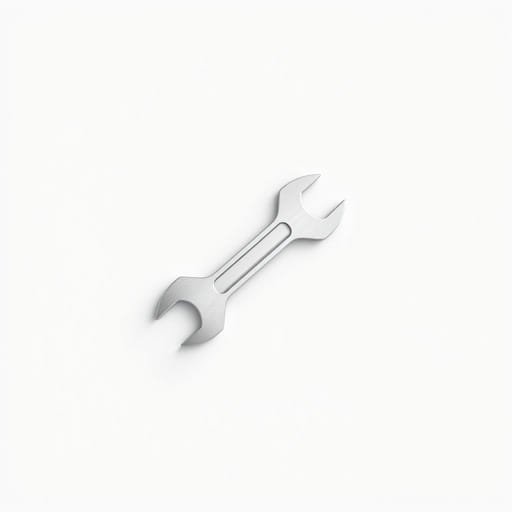
What Is the Meaning of Spanner? A Complete Guide to This Essential ToolThe word spanner might not be as common in some parts of the world, especially in the United States, where the word wrench is more widely used. But in many English-speaking countries, especially the UK, spanner is a standard term in toolboxes and mechanical settings. This topic explores the meaning of spanner, its different types, uses, and how it fits into everyday life and industry.
What Does ‘Spanner’ Mean?
A spanner is a hand tool used to provide grip and mechanical advantage when turning objects typically nuts and bolts. It comes in various sizes and shapes to fit specific fasteners.
While spanner and wrench are sometimes used interchangeably, in British English, spanner is the general term, while in American English, wrench is more common. Despite the regional difference in names, they serve the same function.
The Origin of the Word ‘Spanner’
The word spanner comes from the German word Spanner, meaning ‘tightener’ or ‘tensioner.’ Its first use in English dates back to the 17th century, and it has since evolved into a standard name for many types of turning tools.
Common Types of Spanners
There are many kinds of spanners, each designed for specific tasks. Understanding the different types helps in choosing the right tool for the job.
1. Open-Ended Spanner
This spanner has U-shaped openings at both ends, often of different sizes. It’s useful for quick and easy adjustments but may slip if not fitted tightly.
2. Ring Spanner
This type surrounds the nut or bolt, offering better grip and reduced risk of slipping. It often comes with offset handles for tight spaces.
3. Combination Spanner
A mix of open-ended and ring spanners, this versatile tool has an open end on one side and a ring end on the other, typically of the same size.
4. Adjustable Spanner
Also known as an adjustable wrench, this spanner can be adjusted to fit various bolt sizes, making it useful for general-purpose work.
5. Socket Spanner
Used with ratchets, this spanner involves a socket set that fits over nuts and bolts, allowing for faster work, especially in hard-to-reach areas.
Uses of Spanners in Everyday Life
Spanners are incredibly common in various settings
-
Home repairs – tightening plumbing connections or furniture bolts
-
Automotive work – essential for fixing cars and motorcycles
-
Construction and engineering – vital for assembling equipment and structures
-
Bicycles and appliances – adjusting or repairing mechanical parts
Even though many tasks today involve power tools, spanners remain reliable for precision work or when electricity is not available.
Spanner Sizes and Measurement Systems
Spanners are sized according to the nuts and bolts they fit. There are two main systems
-
Metric sizes – measured in millimeters, common in most parts of the world
-
Imperial sizes – measured in inches, more common in the United States
Using the correct size is crucial. A poorly fitting spanner can strip the bolt head or cause injury.
Safety Tips When Using a Spanner
Using a spanner may seem simple, but following basic safety guidelines is important
-
Always use the right size to prevent slipping
-
Pull, don’t push – pulling gives better control
-
Check the tool’s condition – damaged spanners can break under pressure
-
Wear gloves if working with heavy-duty tools or slippery bolts
These practices help avoid injuries and protect the equipment.
Spanner in Figurative Language
Beyond its mechanical use, the word spanner also appears in idioms and informal expressions. For example
-
Throw a spanner in the works is a British idiom meaning to cause disruption or interference in a process or plan.
-
Example The sudden power outage threw a spanner in the works during the presentation.
This shows that spanner has a place not just in toolboxes but also in the English language as a figure of speech.
Difference Between Spanner and Wrench
Though often used interchangeably, here’s a simple breakdown
| Feature | Spanner (UK English) | Wrench (US English) |
|---|---|---|
| Common regions | UK, Australia | USA, Canada |
| General meaning | All hand-turning tools | Similar tools, usually adjustable |
| Specific tools | Includes ring, open, socket | Includes monkey wrench, pipe wrench |
The difference is mostly about terminology, though some designs vary slightly.
When to Use a Spanner Over Other Tools
Spanners are often the go-to tool when
-
You need a manual, controlled twist
-
The space is tight or requires precision
-
Working with delicate or soft metals
-
There’s no power supply for electric tools
They’re simple but effective and often outperform power tools in fine work.
Maintenance and Care of Spanners
To make your spanners last longer
-
Wipe them clean after use to avoid rust
-
Store in a dry place, preferably a toolbox
-
Avoid dropping them to prevent dents or bends
-
Check for wear and replace if damaged
Proper care ensures safety and saves money over time.
Why Spanners Are Still Important Today
Despite advancements in technology and the rise of power tools, spanners remain
-
Cost-effective
-
Portable and simple
-
Versatile in different environments
-
Low-maintenance
Whether you’re a professional mechanic or a home DIY enthusiast, a good set of spanners is essential.
The meaning of spanner goes beyond a simple hand tool. It represents a timeless piece of equipment used in homes, garages, workshops, and industries across the world. From tightening bolts to being part of language idioms, the spanner holds practical and cultural value.
Knowing how to choose the right spanner, understanding its types, and using it safely can make everyday repairs smoother and more efficient. It’s a basic, yet powerful tool proof that sometimes, simplicity works best.