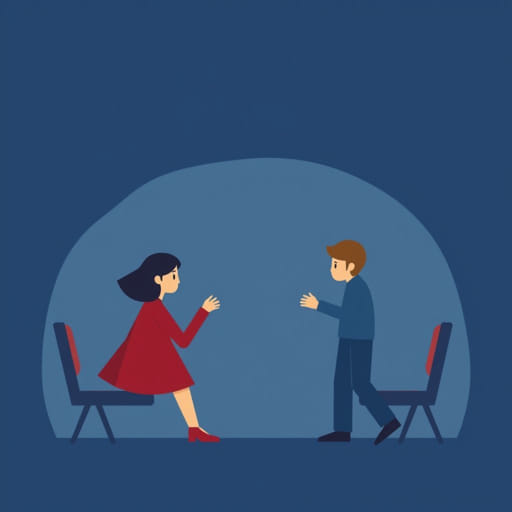
How Violent People Mislead Their Companions and Impact RelationshipsViolence in any form whether physical, emotional, or psychological can have a profound impact on relationships. People who engage in violent behaviors often mislead their companions, causing them to question their own perceptions, make poor decisions, or even enable harmful patterns of behavior. This topic explores how violent individuals manipulate their social environment, how their actions can mislead those around them, and the consequences of such behavior.
Understanding the Nature of Violent Behavior
Violence is not always immediately apparent and can take many forms. Physical violence, such as hitting or pushing, is the most obvious, but psychological and emotional violence can be just as damaging, if not more so. For example, violent people may use manipulation, threats, or verbal abuse to control and dominate others.
The key characteristic of violent people is their ability to dominate and manipulate their companions, whether intentionally or not. This often leads to confusion and a distorted sense of reality for those around them. The following sections will look at the ways in which violent individuals mislead their companions.
Manipulating Perceptions Through Gaslighting
One of the most insidious tactics used by violent people is gaslighting, a form of psychological manipulation where the abuser makes their victim question their own reality. A violent person may deny their actions, twist facts, or even make the other person feel like they are overreacting. This leads the victim to doubt their own perception, causing confusion and self-doubt.
For example, a violent partner might insist that an argument was not as bad as the victim remembers or accuse them of being too sensitive when they react to aggressive behavior. Over time, this kind of manipulation can make the victim feel insecure and unsure of themselves, which ultimately weakens their resolve and increases the abuser’s power over them.
Creating Dependency Through Isolation
Another way violent people mislead their companions is by isolating them from friends, family, and support networks. By controlling who their companion interacts with, violent individuals create a dependency that makes the victim more reliant on them. This isolation makes it harder for the victim to recognize the toxic dynamics of the relationship, as they have fewer external voices or perspectives to counterbalance the abuser’s influence.
Violent people may undermine their companion’s relationships, criticizing friends and family or planting seeds of doubt about others’ intentions. They may also create scenarios where the victim feels guilty for spending time away from them or being too close to others. In such cases, the victim may begin to feel that the only person they can trust is the very person who is causing them harm.
Exploiting Empathy and Guilt
Violent individuals often manipulate their companions’ empathy and guilt to maintain control. They may portray themselves as the victim in situations where they are the perpetrator, making the other person feel responsible for their behavior. For instance, a violent person may claim that their aggressive actions are a response to the victim’s behavior, even though the violence is unwarranted.
This tactic is particularly effective because it plays on the victim’s natural desire to help and fix problems. By exploiting their sense of empathy, the violent person can divert attention away from their own actions and place blame on the victim. This keeps the victim in a constant state of self-reflection and guilt, which makes it harder for them to leave or stand up to the abuse.
Undermining Confidence and Self-Worth
Violent people also mislead their companions by undermining their self-worth and making them feel inadequate. This can be done through verbal abuse, belittling comments, or by making their partner feel worthless or incompetent. The goal is to break down the victim’s confidence, making them less likely to challenge the abuser or question their behavior.
For example, a violent person might criticize their companion’s appearance, intelligence, or abilities, telling them they are not good enough or that no one else would want them. Over time, these constant put-downs take a toll on the victim’s self-esteem, making them more susceptible to manipulation and less likely to seek help or support.
The Cycle of Violence and Misleading Behaviors
One of the most destructive aspects of violent relationships is the cycle of violence. This cycle involves periods of tension building, an outburst of violence, followed by apologies and promises to change. After the violent episode, the violent person may act charming and loving, causing the victim to believe that the situation will improve. This creates confusion, as the victim may hold on to the hope that their abuser will change.
The cycle of violence misleads the victim into thinking that the relationship can be salvaged, or that they are responsible for the violence. The abuser may convince their companion that the violence was an isolated incident, even though it is a recurring pattern. This constant push-and-pull dynamic makes it difficult for the victim to break free, as they are often trapped in a cycle of emotional highs and lows.
The Impact on Mental Health and Well-Being
The consequences of being misled by a violent person can have long-lasting effects on an individual’s mental health and overall well-being. The constant manipulation, isolation, and undermining can lead to a range of psychological issues, including depression, anxiety, post-traumatic stress disorder (PTSD), and low self-esteem.
Victims may struggle to trust others, even after leaving the violent situation, and may have difficulty establishing healthy relationships in the future. Over time, the psychological damage caused by the abuse can become deeply ingrained, leading to challenges in recovering from the experience.
How to Break Free from Violent Relationships
Breaking free from a violent relationship is never easy, especially when the abuser has misled and manipulated their companion for a long time. However, there are steps that can be taken to escape the situation and regain control over one’s life
-
Seek Support Reaching out to trusted friends, family, or a therapist can provide much-needed support and perspective. Connecting with others can help break the isolation that the violent person has created.
-
Recognize the Signs of Abuse It is crucial to recognize the signs of emotional, psychological, and physical abuse. Once these signs are identified, the victim can begin to take steps toward safety and healing.
-
Create a Plan of Action If leaving the relationship is the best option, it’s important to create a safety plan. This may include securing important documents, finding a safe place to go, and contacting professionals who can offer guidance.
Conclusion Regaining Control
Violent people can mislead their companions in many ways, from manipulation and isolation to undermining confidence and creating a cycle of abuse. These tactics have a deep and lasting impact on the victim’s mental health and can make it difficult to escape the relationship. However, by recognizing the signs of violence and seeking support, individuals can break free from abusive situations and rebuild their sense of self-worth. It’s essential to remember that no one deserves to be misled or mistreated, and there is help available to those who seek it.