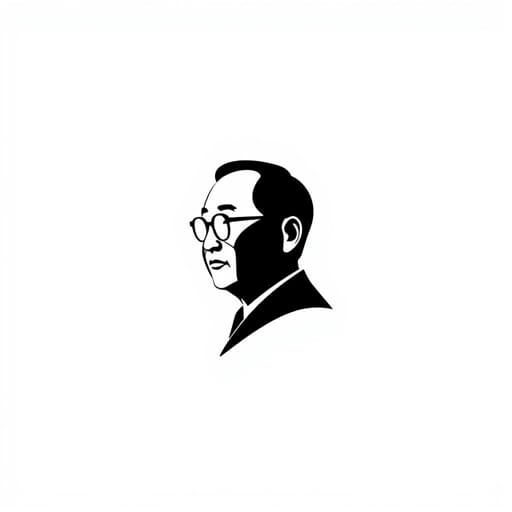
Kiichiro Toyoda was a pioneering figure in Japan’s industrial history and the founder of what is now one of the world’s largest automotive companies, Toyota Motor Corporation. As the driving force behind Toyota’s transition from textile machinery to automobile manufacturing, he played a critical role in shaping modern Japanese industry. Given his historic contributions and the continuing global presence of the Toyota brand, many people wonder: is Kiichiro Toyoda still alive? Exploring his life, career, and legacy not only answers that question but also reveals why he remains a significant figure in the world of innovation and entrepreneurship.
Who Was Kiichiro Toyoda?
Kiichiro Toyoda was born on June 11, 1894, in Japan. He was the son of Sakichi Toyoda, a renowned inventor and industrialist who founded Toyoda Automatic Loom Works. While Sakichi focused on advancing textile technologies, Kiichiro had a different vision he believed that automobiles were the future. His interest in cars began in the early 20th century when the automobile was still a novelty in Japan. Kiichiro’s decision to enter the automobile industry was seen as bold and risky at the time.
Education and Early Life
Kiichiro Toyoda graduated from Tokyo Imperial University with a degree in mechanical engineering. His academic background equipped him with the technical knowledge required to innovate and adapt in a rapidly modernizing world. After finishing his studies, he joined his father’s company and began developing his ideas for automobile production. He later traveled to Europe and the United States to observe the automotive industry, which further fueled his desire to create a Japanese-made vehicle.
Establishing the Toyota Motor Corporation
In 1937, Kiichiro Toyoda officially established Toyota Motor Corporation as a separate entity from Toyoda Automatic Loom Works. This marked the beginning of Japan’s serious entry into automobile manufacturing. His vision was not merely to copy Western models but to create cars that met the specific needs of the Japanese people and economy.
- In 1935, Toyota released its first prototype passenger car, the A1.
- By 1936, the Toyota AA sedan entered production, a significant achievement for the company.
- The decision to spell the company name as ‘Toyota’ rather than ‘Toyoda’ was made for phonetic and symbolic reasons, including ease of pronunciation and a more visually balanced Japanese script.
Kiichiro’s determination and innovation laid the foundation for Toyota to become a global leader in the automotive industry. His emphasis on quality, efficiency, and continuous improvement helped develop what would later be known as the Toyota Production System.
The Later Years of Kiichiro Toyoda
Despite early successes, Kiichiro faced numerous challenges. The company was heavily affected by World War II, during which it shifted its focus to military vehicles. After the war, Toyota struggled with financial instability due to Japan’s devastated economy and shortages of raw materials. By the early 1950s, Toyota was in serious trouble.
During this crisis, Kiichiro Toyoda made the difficult decision to resign from his position in 1950 in an effort to stabilize the company and restore employee morale. His resignation came after internal tensions and labor disputes forced Toyota into a restructuring phase. Although he stepped down, his legacy continued to influence the direction of the company.
Kiichiro Toyoda’s Death
Kiichiro Toyoda passed away on March 27, 1952, at the age of 57. His death marked the end of an era, but his vision and values lived on in the generations of Toyota leadership that followed. Therefore, to answer the question no, Kiichiro Toyoda is not still alive. He died more than 70 years ago, but his contributions to global industry are very much alive in the Toyota legacy.
Legacy of Kiichiro Toyoda
Although Kiichiro Toyoda did not live to see Toyota become the multinational powerhouse it is today, his philosophies shaped the company’s core. He laid the groundwork for manufacturing processes that would revolutionize production lines worldwide.
Key Elements of His Legacy
- Continuous Improvement (Kaizen): A principle emphasizing small, consistent improvements in productivity and quality.
- Customer-Centric Design: He insisted on building vehicles that matched the specific needs of consumers, rather than blindly copying foreign models.
- Innovation and Risk-Taking: Starting a car company in a textile-driven economy was bold, and his willingness to take risks is seen as a foundational trait of Toyota’s identity.
Today, Toyota stands as one of the largest automobile manufacturers in the world, known for reliability, innovation, and environmental leadership much of which can be traced back to Kiichiro’s early principles and decisions.
Impact on Modern Industry
Kiichiro Toyoda’s influence extends far beyond just Toyota. The Toyota Production System, which evolved from his early work, has become a global model for efficiency and lean manufacturing. Many companies across various industries now apply these methods to reduce waste, improve workflow, and enhance quality control.
In addition to production techniques, Kiichiro’s commitment to long-term thinking and ethical leadership has been studied in business schools and management courses worldwide. His belief in empowering workers and investing in innovation serves as a model for modern industrial leadership.
Family Continuation and Toyota’s Growth
The Toyoda family has remained influential in the company for generations. Several of Kiichiro’s descendants have held leadership roles, ensuring that his vision remains an integral part of Toyota’s philosophy. For instance, Akio Toyoda, his grandson, served as president of Toyota Motor Corporation and played a crucial role in navigating the company through 21st-century challenges, including the shift toward electric vehicles and sustainable manufacturing.
This continued family involvement illustrates the enduring strength of Kiichiro Toyoda’s legacy and the respect his descendants and successors maintain for his pioneering efforts.
While Kiichiro Toyoda is no longer alive, having passed away in 1952, his spirit lives on through the global success and influence of Toyota Motor Corporation. From humble beginnings to groundbreaking industrial contributions, his life tells a powerful story of vision, perseverance, and transformation. The good he accomplished continues to shape how cars are made, how businesses operate, and how leaders think. Anyone asking, Is Kiichiro Toyoda still alive? may find that while the man himself is gone, his impact is very much present not just in Japan, but around the world.