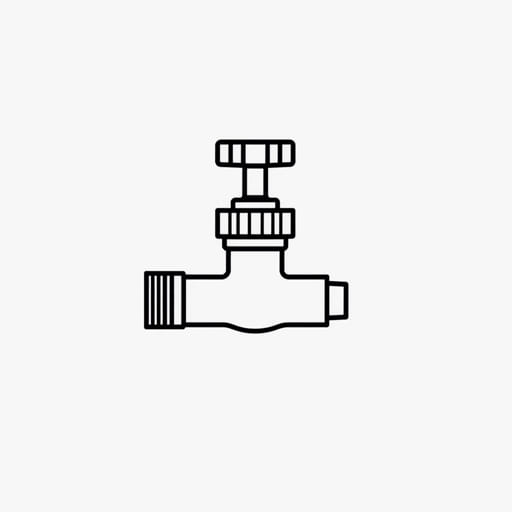
Every homeowner should be familiar with the hot water heater shutoff valve, as it plays a crucial role in maintaining safety and preventing water damage. This valve controls the flow of water into the water heater, and knowing how to locate and operate it is essential during emergencies, repairs, or maintenance. Whether you’re dealing with a leaking tank, replacing the water heater, or simply performing routine upkeep, the shutoff valve ensures that you can isolate the water supply quickly and safely. Understanding the types, functions, and proper usage of this valve can save time, reduce repair costs, and protect your property from avoidable damage.
What Is a Hot Water Heater Shutoff Valve?
A hot water heater shutoff valve is a mechanical device that allows you to stop the flow of cold water entering the water heater. It is typically installed on the cold water supply pipe located at the top of the unit. Shutting this valve off stops new water from filling the tank, which is essential when draining, repairing, or replacing the water heater.
Primary Purpose
- Emergency control: Quickly stops water flow in the event of a leak or burst tank.
- Maintenance: Necessary when flushing the tank, replacing parts, or moving the heater.
- Installation: Used when a new unit is installed to safely stop water during setup.
Types of Shutoff Valves
There are several types of shutoff valves that can be used on a water heater. Each has its own design, operation method, and reliability. Knowing the type you have makes it easier to use and replace when necessary.
Gate Valve
This is one of the older types of shutoff valves and features a circular handle that turns to raise or lower an internal gate. These valves are durable but can corrode over time, making them hard to operate.
Ball Valve
Common in modern installations, the ball valve uses a lever handle to rotate a ball with a hole through the middle. Turning the handle 90 degrees shuts the valve. Ball valves are favored for their durability and easy operation.
Globe Valve
Globe valves are designed for regulating water flow, not just shutting it off. They are less common on water heaters but may still be found in older homes. They require multiple turns to fully close or open.
Stop Valve
Also called an angle stop or straight stop, these are small valves often found in tight spaces. They’re more common on fixtures like sinks but can sometimes be used near water heaters in compact installations.
How to Locate the Shutoff Valve
Identifying the shutoff valve is simple if you know where to look. It is almost always located on the cold water inlet pipe coming into the water heater. This pipe is usually on the right side (when facing the heater), and the valve is installed before the pipe connects to the heater.
Steps to Locate
- Find your water heater unit (usually in a utility room, basement, or garage).
- Look for two pipes on top one for cold water (inlet) and one for hot water (outlet).
- The cold water inlet is often labeled or feels cooler to the touch.
- Locate the shutoff valve on this pipe it will be near the top of the unit or slightly above it on the wall.
How to Operate the Shutoff Valve
Knowing how to correctly operate the shutoff valve is essential. Here’s how to use it safely and effectively:
Turning Off the Valve
- For a gate or globe valve: Turn the wheel handle clockwise (right) until it stops turning.
- For a ball valve: Turn the lever handle 90 degrees until it’s perpendicular to the pipe. This means the valve is closed.
Turning On the Valve
- For a gate or globe valve: Turn counterclockwise (left) to open the flow.
- For a ball valve: Rotate the handle back to the same direction as the pipe (parallel) to open it.
Safety Tips
- Always turn off the power supply to the heater (electric or gas) before working on the system.
- Wear gloves and safety goggles when handling plumbing parts.
- Check for leaks after turning the water back on.
Signs of a Faulty Shutoff Valve
Over time, shutoff valves may wear out or become difficult to operate. Look out for the following signs:
- Difficulty turning the handle
- Water dripping from the valve stem
- Corrosion or mineral buildup
- Failure to stop water flow completely when closed
If any of these issues arise, the valve should be replaced by a professional or experienced DIYer to maintain safety and functionality.
Replacing a Water Heater Shutoff Valve
If the shutoff valve is damaged or outdated, replacement may be necessary. This task requires some basic plumbing knowledge and the right tools.
Tools Needed
- Pipe wrench or adjustable wrench
- Plumber’s tape (Teflon tape)
- New valve (ball valve preferred)
- Bucket and towels
Basic Replacement Steps
- Turn off the main water supply to the house.
- Drain water from the heater or at least from the pipe feeding it.
- Use the wrench to remove the old valve from the pipe.
- Wrap the threads of the new valve with plumber’s tape.
- Install and tighten the new valve securely.
- Turn the main water back on and check for leaks.
Preventive Maintenance
Maintaining the shutoff valve is important for long-term performance. Consider the following maintenance tips:
- Turn the valve off and on twice a year to ensure it doesn’t seize up.
- Inspect for signs of corrosion or leaks every few months.
- Lubricate metal components lightly if necessary.
The hot water heater shutoff valve is a small but essential component of your home’s plumbing system. It allows you to control the flow of water into your heater, making it a vital tool for emergencies, repairs, and maintenance. Understanding the different types of valves, knowing how to operate them, and ensuring they remain in good condition can protect your home from unnecessary damage and ensure your water heating system operates safely and efficiently. For peace of mind, take time to locate, test, and, if needed, replace your water heater shutoff valve.