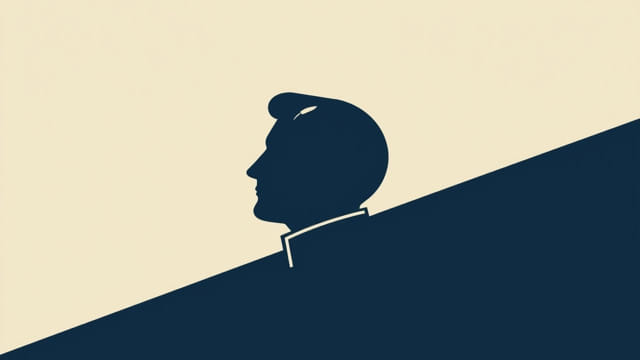
Siegfried Sassoon was an English poet, soldier, and writer whose life and work left a significant mark on both literature and the collective memory of World War I. Known for his raw, realistic portrayals of war and his strong anti-war stance, Sassoon remains one of the most recognized war poets of the 20th century. His transformation from a patriotic young officer to a bold critic of war reflects the emotional and psychological toll of combat. This biography of Siegfried Sassoon traces his journey through early life, military service, literary achievements, and personal struggles, offering insight into a man shaped by both privilege and trauma.
Early Life and Education
Siegfried Loraine Sassoon was born on September 8, 1886, in Matfield, Kent, England. He came from a wealthy family with Jewish heritage on his father’s side and Anglican roots on his mother’s side. His father, Alfred Sassoon, was part of the wealthy Sassoon family of merchants but was estranged from the family after marrying outside of the Jewish faith. Siegfried’s parents separated when he was young, and he was largely raised by his mother, Theresa Thornycroft, an artist from a well-known sculptor family.
Growing up in the English countryside, Sassoon developed a love for nature, literature, and cricket. He was educated at Marlborough College and later attended Clare College, Cambridge, though he left before completing his degree. During these formative years, he began writing poetry inspired by pastoral themes, heavily influenced by poets like Rupert Brooke and Alfred, Lord Tennyson.
Early Poetry and Literary Interests
Before the war, Sassoon’s poetry was romantic, idyllic, and focused on country life. His early collections, such asPoems(1906) andThe Daffodil Murderer(1913), showed a youthful enthusiasm and a traditional literary style. Though not yet a major literary figure, he was active in poetry circles and developed friendships with writers and artists in London.
At this stage in his life, he saw military service as a noble and adventurous duty. That idealism would soon be tested and changed forever by the outbreak of World War I.
Military Service and the First World War
Joining the Army
When World War I began in 1914, Siegfried Sassoon volunteered for military service. He joined the Sussex Yeomanry and later the Royal Welch Fusiliers as a commissioned officer. During training and early deployments, Sassoon maintained his patriotic enthusiasm, and his courage earned him the nickname Mad Jack from fellow soldiers due to his bold actions on the battlefield.
In 1916, he was awarded the Military Cross for bravery after retrieving wounded soldiers under fire. However, the brutality of trench warfare and the loss of close friends, including fellow poet Robert Graves, deeply affected him. As time passed, he became disillusioned with the war and began questioning the motives of military leadership and the senselessness of prolonged conflict.
Protest Against the War
In 1917, Sassoon made a dramatic and highly publicized protest against the war. He wrote a statement titled Finished with the War: A Soldier’s Declaration, accusing the government of needlessly prolonging the conflict. Instead of court-martialing him, the military declared him mentally unfit and sent him to Craiglockhart War Hospital in Scotland, where he was treated for shell shock.
At Craiglockhart, he met and mentored Wilfred Owen, another soldier-poet whose war poetry would later gain great acclaim. Their friendship and literary collaboration influenced both of their works and highlighted the emotional and psychological wounds inflicted by war.
War Poetry and Literary Impact
Sassoon’s war poetry became his most enduring legacy. His verse was brutally honest, filled with irony, anger, and a deep empathy for ordinary soldiers. Collections such asThe Old Huntsman(1917) andCounter-Attack(1918) captured the horrors of trench warfare, the incompetence of military leadership, and the suffering of men caught in a machine of destruction.
Unlike earlier romantic portrayals of battle, Sassoon’s poetry used plain language and stark imagery. His work challenged the glorification of war and contributed to a broader cultural reckoning with the realities of combat. Some of his most well-known poems include:
- Suicide in the Trenches
- The General
- Attack
- Glory of Women
Through these poems, Sassoon became a leading voice in the anti-war literary movement, influencing generations of poets, historians, and readers.
Post-War Life and Memoirs
After the war, Siegfried Sassoon continued to write, though his focus shifted from poetry to prose. He published a semi-autobiographical trilogy of novelsMemoirs of a Fox-Hunting Man(1928),Memoirs of an Infantry Officer(1930), andSherston’s Progress(1936). These works offered a fictionalized but deeply personal account of his transformation from an innocent country gentleman to a war-weary officer.
These books were widely praised and helped Sassoon reach a broader audience. They also reflected his attempt to process the trauma of war and make sense of his place in a post-war world that often failed to recognize the full cost of the conflict.
Personal Life and Struggles
Siegfried Sassoon was a complex and deeply private individual. Although he had several relationships with men, his sexuality was a source of inner conflict, particularly in a time when homosexuality was criminalized. In 1933, he married Hester Gatty, and they had one son, George. However, the marriage was troubled, and they eventually separated.
In his later years, Sassoon turned to religion and was received into the Roman Catholic Church in 1957. His spiritual search reflected his desire for peace and meaning after a life marked by war, loss, and introspection. He spent his final years living quietly in Wiltshire, England.
Death and Legacy
Siegfried Sassoon died on September 1, 1967, just days before his 81st birthday. He was buried in the churchyard of St. Andrew’s Church, Mells, Somerset. Though he published many works throughout his life, it is his war poetry that continues to resonate the most with readers.
His legacy is not only literary but also historical. Sassoon’s voice gave insight into the trauma of soldiers, the futility of trench warfare, and the human cost of political decisions. His courage to speak out, even at personal risk, remains an inspiration to those who value truth and justice in the face of conflict.
The biography of Siegfried Sassoon is a profound reflection on the interplay between art, war, and conscience. From a privileged upbringing to the trenches of World War I and beyond, his life was a journey of transformation and resilience. Through his poems, memoirs, and protest, he left an indelible mark on English literature and shaped how future generations would understand and remember the First World War. His work endures as a powerful reminder of the importance of speaking truth to power, even when it comes at great personal cost.