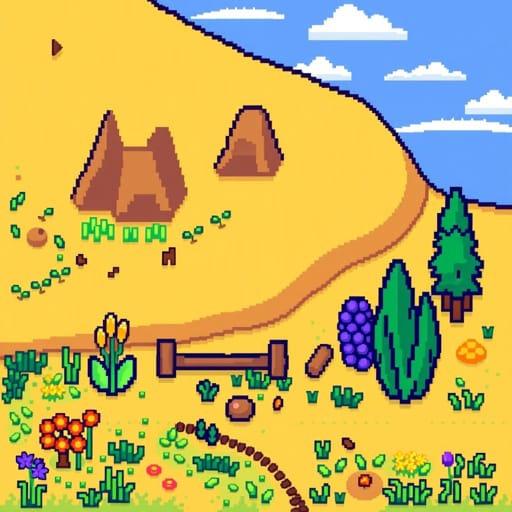
Foraging in Stardew Valley is one of the core skills that allows players to collect a variety of natural items across the map. These items include berries, mushrooms, flowers, and seasonal plants that spawn in different areas depending on the time of year. Foraging can be both a relaxing and profitable activity, especially early in the game when energy is limited and farming tools are basic. Understanding how to forage efficiently is key to progressing faster, earning money, and completing bundles in the Community Center. This guide covers everything you need to know about foraging, where to look, how the system works, and how to improve your foraging skill for greater rewards.
Understanding the Foraging Skill
What Counts as Foraging?
In Stardew Valley, foraging refers to collecting items that spawn naturally in the environment. These include:
- Wild seasonal plants (e.g., Wild Horseradish, Leek, Daffodil, and Dandelion in spring)
- Fruits and mushrooms that appear in the forest or on the ground
- Items collected from chopping down trees, like wood and sap
- Items gathered from bushes, such as Salmonberries and Blackberries
Each foraged item contributes experience points toward leveling up your foraging skill. With each level gained, you’ll unlock crafting recipes, improve axe efficiency, and eventually choose professions that affect item quality and drops.
Foraging Skill Benefits
As you gain levels in foraging, you’ll unlock the following:
- Level 1: Wild Seeds (Sp), Field Snack recipe
- Level 2: Survival Burger recipe
- Level 4: Wild Seeds (Su), Charcoal Kiln recipe
- Level 6: Wild Seeds (Fa), Lightning Rod recipe
- Level 8: Wild Seeds (Wi), Warp Totem: Farm recipe
- Level 10: Profession choice (Botanist or Tracker)
Each level also increases your axe proficiency, which helps with chopping trees and stumps more efficiently.
Where and When to Forage
Seasonal Foraging Items
Each season offers unique foraging items. You’ll need to forage across all seasons to complete Community Center bundles and earn full rewards. Here’s a quick look at the types of items you can expect in each season:
Spring
- Daffodil
- Wild Horseradish
- Leek
- Dandelion
Summer
- Spice Berry
- Grape
- Sweet Pea
Fall
- Common Mushroom
- Wild Plum
- Hazelnut
- Blackberry
Winter
- Crocus
- Winter Root
- Crystal Fruit
- Snow Yam
Each season’s forageables grow in different regions of the map such as Cindersap Forest, the Mountains, or Pelican Town outskirts.
Best Places to Forage
Certain areas spawn more forageable items than others. These locations are reliable for finding seasonal items:
- Cindersap Forest: Found south of your farm, filled with trees, bushes, and wild plants.
- Pelican Town: Small patches and paths may yield common forage items.
- The Beach: Look for coral, sea urchins, and clams, especially after storms.
- Mountains: Accessible from northeast Pelican Town, great for berries and mushrooms.
- Railroad and Quarry Area: Unlockable later in the game and good for mushrooms and roots.
Using Tools for Better Foraging
Gathering Berries from Bushes
During specific dates, such as Salmonberry Season in Spring (Spring 1518) and Blackberry Season in Fall (Fall 811), you can gather berries from bushes all around the map. These bushes don’t need any tools; just walk up and interact with them to collect berries. These are useful for energy and can be turned into wine or preserves for extra profit.
Chopping Trees and Stumps
Wood is technically a foraged material in the skill system. Chopping down trees yields wood, sap, and sometimes seeds. Larger stumps and logs can be chopped after you upgrade your axe, and these also give foraging XP. Hardwood stumps in the Secret Woods regenerate daily, offering a reliable source of materials and skill experience.
Upgrading the Axe
Improving your axe helps you break larger logs and stumps. The Copper Axe allows access to the Secret Woods, where more rare forageables and hardwood stumps are found. As you level up foraging and upgrade your tools, you’ll expand your options for collecting high-value resources.
Crafting with Foraged Materials
Making Field Snacks
Early on, energy is limited, and crafting Field Snacks can help. They’re made from tree seeds:
- Acorn
- Maple Seed
- Pine Cone
Field Snacks restore energy and are easy to collect through regular tree chopping. They’re essential for long days when you’re gathering wood or clearing the farm.
Creating Wild Seeds
As you level up foraging, you unlock the ability to craft Wild Seeds for each season. These allow you to plant and grow seasonal forageables on your farm. Wild Seeds grow into forageables that can be harvested and sold or gifted.
Increasing Foraging Efficiency
Choose the Right Profession
At Level 5, you’ll be able to choose between two foraging professions:
- Forester: Wood is worth 50% more.
- Gatherer: 20% chance for double harvests of foraged items.
The Gatherer path is recommended for most players, especially if you rely on selling forageables or crafting from them. At Level 10, Gatherer can upgrade to Botanist (which ensures all forage is highest quality) or Tracker (which shows nearby forageables on screen).
Maximizing Your Route
Plan a loop that includes high-spawn zones like the Forest, Mountains, and Beach. Visit early in the day so you can sell items or use them for energy. During berry seasons, make it a daily habit to check all known bush locations to collect as many berries as possible.
Use the Horse for Travel
Once you build a stable, use your horse to move between zones faster. Foraging covers a large part of the map, and quicker travel means more items in less time. This is especially helpful during festivals or rare events like traveling merchants.
Foraging in the Winter
Snow-Based Forageables
Despite the snow-covered landscape, winter offers plenty of forageable items like Crystal Fruit and Snow Yams. These can be found by exploring or digging artifact spots with your hoe. Winter foraging is also tied to the Winter Foraging Bundle, so don’t skip this season.
Winter Root and Mining
Some winter foraged items are found more frequently while mining, particularly in the early levels of the mines. Bringing a hoe to dig up artifact spots and using bombs to clear rocks can help uncover hidden forageables.
Foraging in Stardew Valley is more than just a way to pick up items it’s a strategic activity that ties into farming, crafting, and progression. Whether you’re gathering mushrooms in fall, chopping trees for wood, or collecting berries from bushes, each action improves your skill and opens up more gameplay options. With the right tools, routes, and profession choices, foraging can become one of your most rewarding daily activities. Make it a habit, explore the wild spaces of Pelican Town, and you’ll see your profits and abilities grow each season.