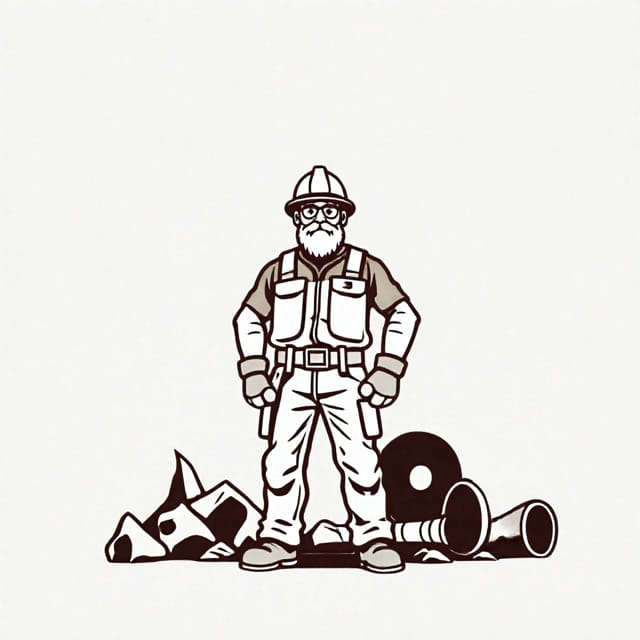
Working as a roughneck on an oil rig is often considered a symbol of physical toughness and endurance. While the job can be rewarding in terms of pay and career opportunities, many people wonder: is being a roughneck dangerous? The answer is not simple, as it depends on the environment, safety practices, and the worker’s role on the rig. However, it’s widely recognized that the oil and gas industry presents some of the highest risks in terms of workplace hazards. To understand the full picture, it’s important to explore what the job involves, the specific risks, and the measures taken to ensure safety.
Understanding the Roughneck Role
What Does a Roughneck Do?
A roughneck is typically a member of the drilling crew on an oil rig. Their responsibilities include handling heavy equipment, connecting sections of drill pipe, maintaining machinery, and assisting with various tasks essential to the drilling process. This role requires physical strength, alertness, and the ability to follow strict procedures. It is a labor-intensive job that often takes place in remote or offshore locations.
Work Environment of a Roughneck
Roughnecks usually work onshore or offshore rigs under harsh weather conditions. Offshore roughnecks might live on the rig for weeks at a time, working 12-hour shifts. The job site is noisy, wet, and physically demanding. Workers must be prepared to operate in confined spaces, on elevated platforms, and around powerful machinery.
Risks Associated with Being a Roughneck
Physical Hazards
The physical nature of the job itself contributes to its danger. Common hazards include:
- Heavy lifting: Repetitive lifting of heavy tools and equipment can cause musculoskeletal injuries.
- Slips and falls: Oil, mud, and water on surfaces can lead to slip-related accidents.
- Falling objects: Equipment and tools can fall from heights, causing serious injuries or fatalities.
- Confined spaces: Working in tight areas can pose risks of suffocation or entrapment during emergencies.
Equipment-Related Injuries
Roughnecks work closely with machinery like rotary tables, pipe handlers, and drill bits. Malfunctions or operator error can lead to crushing injuries, amputations, or even death. Improper use of safety gear or failure to maintain equipment can significantly increase these risks.
Exposure to Toxic Substances
Drilling for oil and gas involves handling chemicals, gases, and drilling muds that may contain toxic compounds. Long-term exposure can cause respiratory issues, skin conditions, or chronic illnesses. Proper ventilation and protective gear are essential to mitigate these dangers.
Fire and Explosion Risks
The oil and gas extracted from the earth are highly flammable. A single spark or equipment failure can lead to devastating fires or explosions. Rig workers, including roughnecks, undergo training in fire prevention and emergency response to help minimize damage during such events.
Fatigue and Mental Stress
Long hours, night shifts, and isolation from family can lead to mental exhaustion and decreased alertness. Fatigue is a major contributor to workplace accidents, as it impairs judgment and slows reaction times.
Safety Measures in Place
Regulations and Safety Standards
To protect workers, the oil and gas industry follows strict safety regulations. Government agencies such as OSHA (Occupational Safety and Health Administration) in the U.S. enforce standards that address everything from fall protection to chemical handling. Companies are also required to conduct regular safety drills and risk assessments.
Personal Protective Equipment (PPE)
All roughnecks are equipped with PPE, which typically includes:
- Hard hats
- Steel-toe boots
- Flame-resistant clothing
- Goggles and gloves
- Hearing protection
Wearing the correct PPE can drastically reduce the severity of injuries during accidents.
Training and Certification
Before stepping onto a rig, roughnecks must undergo rigorous training. This includes safety protocols, equipment handling, first aid, and emergency evacuation procedures. Many companies also require certifications like H2S Alive, which trains workers to deal with hydrogen sulfide exposure, a common hazard on rigs.
Technological Advancements
Modern rigs are increasingly equipped with automation and monitoring systems to improve safety. Sensors can detect gas leaks, monitor equipment pressure, and alert workers to potential hazards. Robotics are also being introduced to perform some of the most dangerous tasks, reducing direct human exposure.
Comparing Risk vs. Reward
High Pay and Career Opportunities
Despite the dangers, being a roughneck can be financially rewarding. Entry-level workers earn significantly more than the average wage, especially when working offshore. Over time, roughnecks can be promoted to positions like driller or rig manager, which come with more responsibility and higher pay.
Job Security and Demand
The global demand for energy ensures that oil and gas jobs remain in high demand. Skilled roughnecks often find steady employment, especially if they are willing to work in remote or overseas locations. However, the job market can be influenced by oil prices and economic conditions.
Sense of Camaraderie
Working in close quarters for extended periods builds strong bonds among crew members. Many roughnecks appreciate the sense of teamwork and pride that comes with successfully operating in such a demanding environment.
Is Being a Roughneck Dangerous?
The short answer is yes being a roughneck is dangerous. The job comes with significant risks, including physical injury, exposure to toxic substances, and the threat of explosions or fire. However, the industry has implemented numerous safety measures, from training and PPE to advanced technology, to mitigate these dangers.
For those who are physically fit, mentally prepared, and safety-conscious, the rewards can be substantial. High wages, long-term career growth, and a sense of adventure are major draws. But it’s important to enter the field with a clear understanding of the risks and a commitment to following safety protocols at all times.
Ultimately, the danger of being a roughneck depends not only on the nature of the work but also on the worker’s attitude toward safety, the employer’s commitment to regulations, and the ongoing improvement of technologies and procedures. For many, the challenge is worth the risk but it is certainly not a career to be taken lightly.