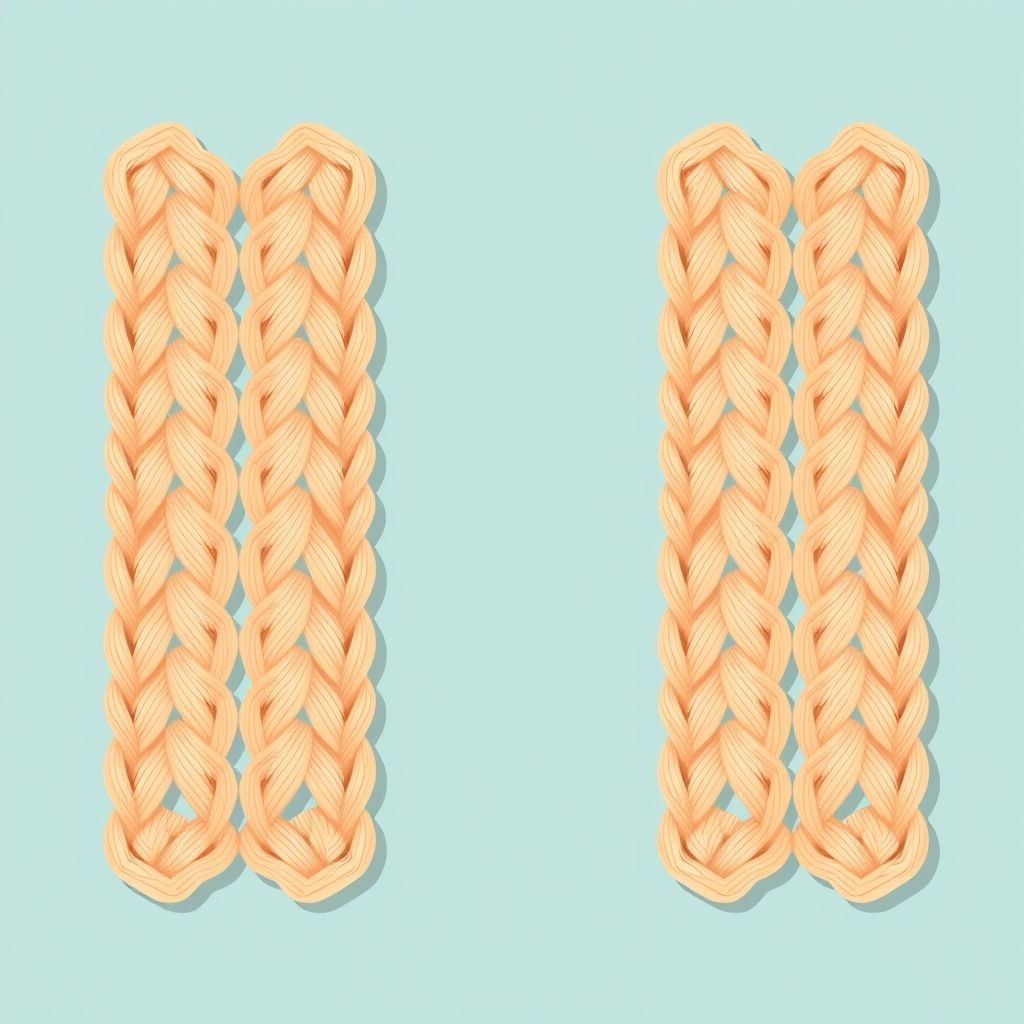
Crochet enthusiasts are always exploring new stitches to enhance their projects with unique textures and patterns. One such stitch that has gained attention for its elegant appearance and subtle twist is the Half Herringbone Double Crochet. This stitch offers a variation on the traditional double crochet, producing a tighter and slightly slanted look. It’s especially loved for creating warm, dense fabrics that still remain soft and drapey. Whether you are making blankets, scarves, or sweaters, mastering the Half Herringbone Double Crochet can add a sophisticated flair to your crochet designs.
What is Half Herringbone Double Crochet?
Definition and Characteristics
The Half Herringbone Double Crochet (often abbreviated as HHBDC) is a modified version of the classic double crochet stitch. It incorporates a specific sequence of yarn movements that result in a subtle diagonal texture resembling a herringbone pattern. Unlike the full herringbone double crochet, the half version simplifies the stitch slightly, making it easier to learn while still delivering beautiful results.
Why Use This Stitch?
There are several reasons why crocheters choose the Half Herringbone Double Crochet over traditional stitches:
- It creates a smooth, consistent fabric with a gentle slant.
- The texture is visually interesting but not overly complex.
- The stitch provides more structure and density than standard double crochet.
- It works well for both flat and in-the-round projects.
- It looks great in both solid and variegated yarns.
Materials You’ll Need
Before starting with the Half Herringbone Double Crochet, make sure you have the following:
- Yarn of your choice (medium weight is ideal for practice)
- A suitable crochet hook as recommended for your yarn
- Scissors
- Tapestry needle (for weaving in ends)
How to Crochet the Half Herringbone Double Crochet
Step-by-Step Instructions
Once you are comfortable with the basics of crochet such as chains, single crochet, and double crochet you’re ready to try the HHBDC. Follow these instructions to create this stitch:
- Yarn over (YO) and insert the hook into the stitch where you want to work the HHBDC.
- YO again and pull up a loop (you now have three loops on your hook).
- Pull the first loop on your hook through the second loop (you now have two loops on your hook).
- YO again and pull through both remaining loops on the hook.
This completes one Half Herringbone Double Crochet stitch. Repeat the process across your row or round.
Starting the Row
To begin a new row of HHBDC, chain 2 (instead of the usual 3 for a double crochet). This chain 2 acts as the turning chain and helps maintain a neater edge. Then begin your first HHBDC in the second stitch from the hook or as directed by your pattern.
Tips for Working with HHBDC
- Use stitch markers when working in the round or on large projects to help track your progress.
- Pay attention to tension. Because the stitch structure pulls the yarn differently than standard crochet, you might need to adjust your tension slightly.
- Practice on a swatch first before applying this stitch to an entire garment or project.
- Be sure to block your finished project if needed. HHBDC fabric can benefit from a gentle block to relax the stitch definition.
Applications for the Half Herringbone Double Crochet
Scarves and Cowls
HHBDC is a popular choice for scarves and cowls due to its warm, plush texture. It adds just the right amount of thickness without being stiff, making it ideal for cozy accessories.
Blankets and Throws
For home decor items, the stitch’s dense structure makes for a comforting and durable blanket. It can be used on its own or mixed with other stitches for texture variety.
Garments and Wearables
HHBDC is also suited for sweaters, cardigans, and ponchos. Its sleek texture gives a polished look to garments, and it works well in combination with ribbing or lace panels.
Bags and Pouches
Because the stitch offers more structure than a regular double crochet, it’s a good option for small bags, totes, and pouches. The finished fabric holds its shape well while still offering flexibility.
Modifying and Combining the Stitch
Alternating Rows
Try alternating rows of HHBDC with rows of single crochet or half double crochet to create a balanced and visually dynamic texture. This method can be especially effective for modern afghans or dishcloths.
Working in the Back Loop
If you want to enhance the texture even more, work the HHBDC in the back loop only. This technique creates ridges and a ribbed effect that adds depth to the fabric.
Using Color Changes
The clean lines of the HHBDC stitch make it ideal for color striping. You can switch yarns every few rows to add stripes or even use self-striping yarns for a blended, gradient effect.
Common Mistakes to Avoid
- Skipping the chain 2 at the beginning of each row, which can result in uneven edges.
- Pulling loops too tightly when working the partial pull-through, which may distort the stitch and reduce flexibility.
- Miscounting stitches, especially if you are working over a long row, leading to accidental increases or decreases.
The Half Herringbone Double Crochet stitch brings a modern twist to traditional crochet work. It’s easy to learn, satisfying to stitch, and incredibly versatile in application. Whether you’re creating wearables, home decor, or simply trying out new textures, this stitch is a valuable addition to your repertoire. With its smooth diagonal flow and compact nature, it elevates even the simplest projects into beautifully crafted items. Don’t hesitate to experiment with different yarn weights and hook sizes to discover how this stitch behaves across various fibers. Once mastered, it may quickly become one of your go-to crochet techniques.