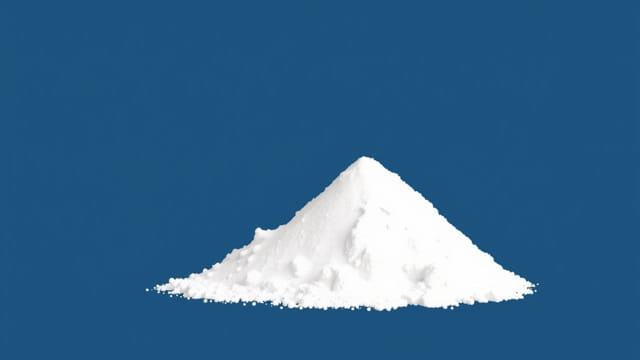
When browsing baking aisles or checking ingredients in your kitchen, you might notice labels that say aluminum-free baking powder. This often sparks the question: is baking powder aluminum free by default? The answer is not as straightforward as it may seem. Baking powder comes in different formulations, and while some are aluminum-free, others contain aluminum-based compounds that help control the timing of the chemical reaction during baking. Understanding what’s inside your baking powder, and how aluminum affects your recipe or health, is key to making informed decisions for your baking and dietary preferences.
Understanding Baking Powder
What Is Baking Powder?
Baking powder is a common leavening agent used in baking to help doughs and batters rise. It typically contains three main ingredients:
- Baking soda (sodium bicarbonate): the base component that reacts to form gas.
- An acid: which activates the baking soda to produce carbon dioxide gas when moistened or heated.
- A starch (usually cornstarch): which keeps the mixture dry and extends shelf life.
Single-Acting vs. Double-Acting
Baking powders are categorized as either single-acting or double-acting. Single-acting powders react once when moistened. Double-acting powders, which are more common, release gas in two phases: once when wet and again when heated. The second reaction is often made possible by aluminum-based compounds, which are heat-activated acids.
Aluminum in Baking Powder
Why Aluminum Is Used
Aluminum compounds like sodium aluminum sulfate or sodium aluminum phosphate are added to baking powder to delay the reaction until the batter is exposed to heat. This allows bakers more flexibility, especially in commercial settings, where timing can impact the consistency of baked goods. The aluminum slows down the reaction, giving a steadier rise during baking.
Types of Aluminum-Containing Compounds
- Sodium aluminum sulfate (SAS): Used to stabilize the leavening process, especially in double-acting baking powders.
- Sodium aluminum phosphate (SALP): Another common heat-activated acid, often found in industrial baking formulas.
What Is Aluminum-Free Baking Powder?
The Alternative Option
Aluminum-free baking powder replaces aluminum compounds with other acid sources, like cream of tartar or monocalcium phosphate. These acids tend to react more quickly with baking soda, meaning the leavening action happens soon after mixing with liquid. This is why recipes using aluminum-free baking powder may need to be baked immediately after mixing.
Common Brands and Labels
Many health-conscious brands now clearly label their products as aluminum-free. This labeling has become especially important for consumers looking to avoid any potential exposure to aluminum in their diets. Brands such as Bob’s Red Mill and Rumford are well-known for offering aluminum-free options.
Does It Make a Difference in Taste?
Flavor Considerations
Some bakers report that aluminum-containing baking powders can leave a metallic or bitter aftertaste in baked goods, particularly in recipes where the powder is used in larger amounts. This is especially noticeable in delicate recipes like biscuits or pancakes. Aluminum-free baking powders tend to produce a cleaner taste, which is why many home bakers prefer them.
Recipe Adjustments
Because aluminum-free powders react faster, you may need to work quickly once your wet and dry ingredients are mixed. Letting the batter sit for too long before baking can result in a loss of leavening power, leading to denser cakes or muffins.
Is Aluminum in Baking Powder Safe?
Health and Safety
The presence of aluminum in baking powder has raised health concerns for some people, particularly around potential links to Alzheimer’s disease and other neurological issues. However, regulatory agencies like the U.S. Food and Drug Administration (FDA) consider aluminum-containing baking powders safe when used as intended. The body absorbs only a small amount of the aluminum present in food, and most is eliminated through normal bodily processes.
Who Should Avoid Aluminum?
Individuals with kidney conditions or those looking to limit their intake of additives may prefer aluminum-free options. Additionally, those following certain diets like paleo or clean-eating plans may choose aluminum-free baking powders for a more natural approach to baking.
How to Tell If Baking Powder Is Aluminum-Free
Check the Ingredient List
Look for key ingredients. If you see sodium aluminum sulfate or sodium aluminum phosphate, the product contains aluminum. Aluminum-free products will list alternatives like monocalcium phosphate or cream of tartar instead.
Look for Clear Labeling
Many brands now advertise aluminum-free prominently on the label. This simplifies the decision for consumers who are trying to avoid aluminum-based additives in their food products.
Shelf Life and Storage
Aluminum-free baking powder is typically just as shelf-stable as its aluminum-containing counterpart, provided it is kept in a cool, dry place. Always check the expiration date to ensure leavening power remains effective.
Making Your Own Aluminum-Free Baking Powder
Simple Homemade Recipe
If you want full control over your baking ingredients, making your own baking powder is quite simple. Here’s how:
- 1 part baking soda
- 2 parts cream of tartar
- 1 part cornstarch (optional, for moisture control)
Mix and store in an airtight container. This homemade version is aluminum-free and effective for quick-baking recipes. Be sure to use it soon after mixing your batter, as it reacts quickly with moisture.
Best Uses for Aluminum-Free Baking Powder
Ideal Recipes
Aluminum-free baking powder is excellent for:
- Quick breads
- Cakes
- Muffins
- Pancakes
- Cookies
In any recipe that is baked immediately after mixing, aluminum-free baking powder will provide reliable lift and a clean taste.
Avoiding the Metallic Aftertaste
If you’re sensitive to metallic flavors or baking for guests with dietary concerns, aluminum-free baking powder is often the better choice. It delivers consistent results without affecting the flavor of the final product.
Not all baking powder is aluminum free, but there are plenty of options for those who wish to avoid aluminum-based additives in their baking. Aluminum-containing powders are generally safe and offer more flexibility in timing, but they may contribute to an unwanted taste in certain recipes. Aluminum-free baking powder, on the other hand, delivers a cleaner flavor and is often preferred by home bakers focused on natural or additive-free ingredients. Whether you choose store-bought or homemade, understanding the type of baking powder you’re using can help you achieve the best possible results in your baked goods. Always read ingredient labels carefully and select the option that aligns with your taste preferences and health priorities.