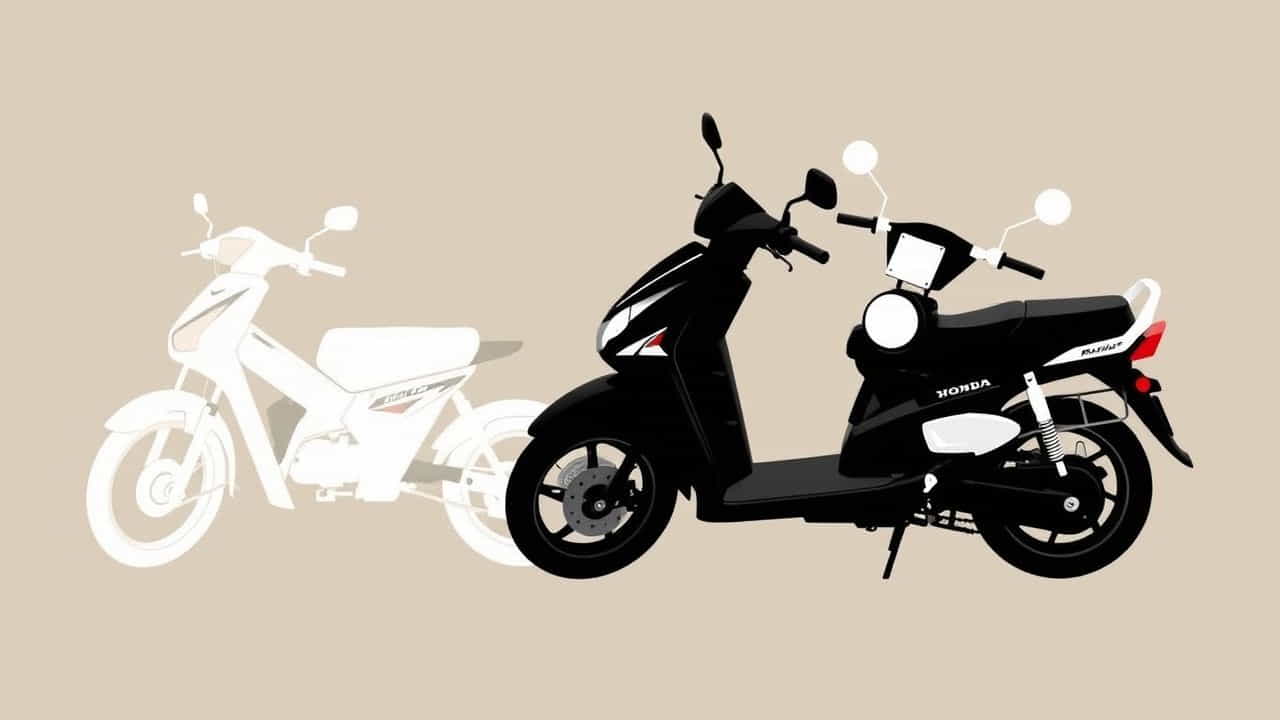
When it comes to rugged, reliable, and stylish scooters, two models stand out: the Yamaha Zuma and the Honda Ruckus. Both scooters are popular choices for urban commuting and recreational riding, offering great performance, efficiency, and durability. However, they have key differences that may make one a better choice depending on your needs.
In this detailed comparison, we will analyze the Yamaha Zuma and Honda Ruckus in terms of performance, design, fuel efficiency, comfort, and pricing to help you decide which scooter is right for you.
1. Overview of Yamaha Zuma and Honda Ruckus
Before diving into the details, let’s look at a quick overview of both scooters.
1.1 Yamaha Zuma
✔ Engine: 125cc, fuel-injected, single-cylinder
✔ Top Speed: ~55 mph (88 km/h)
✔ Fuel Economy: ~101 mpg (43 km/L)
✔ Transmission: Automatic CVT
✔ Weight: ~282 lbs (128 kg)
✔ Brakes: Front disc, rear drum
✔ Price: ~$3,799
1.2 Honda Ruckus
✔ Engine: 49cc, carbureted, single-cylinder
✔ Top Speed: ~40 mph (64 km/h)
✔ Fuel Economy: ~114 mpg (48 km/L)
✔ Transmission: Automatic CVT
✔ Weight: ~194 lbs (88 kg)
✔ Brakes: Front and rear drum
✔ Price: ~$2,899
2. Performance Comparison
Performance is a key factor when choosing a scooter, especially if you need more speed, acceleration, or power for urban or off-road riding.
2.1 Engine Power & Speed
✔ The Yamaha Zuma has a 125cc engine, which is nearly three times the size of the Honda Ruckus (49cc). This means it can easily reach speeds of 55 mph, making it better suited for highway speeds and steep inclines.
✔ The Honda Ruckus, with its 49cc engine, maxes out at around 40 mph, which is ideal for city streets and short commutes but struggles on faster roads.
2.2 Acceleration & Handling
✔ The Zuma’s fuel-injected engine provides better throttle response and faster acceleration, making it easier to merge into traffic.
✔ The Ruckus has slower acceleration due to its smaller engine but is still smooth and reliable.
2.3 Fuel Efficiency
✔ The Honda Ruckus wins in fuel efficiency, offering around 114 mpg, compared to the Zuma’s 101 mpg.
✔ If you are looking for a budget-friendly daily commuter, the Ruckus is a great choice.
3. Design & Build Quality
A scooter’s design not only affects aesthetics but also impacts comfort, storage, and riding experience.
3.1 Styling
✔ The Yamaha Zuma has a sporty and rugged look with dual headlights, a compact body, and aggressive lines. It’s designed for urban riders who want a stylish and powerful scooter.
✔ The Honda Ruckus has a minimalist, industrial design, featuring an exposed frame and a stripped-down aesthetic. This makes it unique and highly customizable.
3.2 Seat Comfort & Riding Position
✔ The Zuma has a more cushioned seat and a slightly taller riding position, making it more comfortable for longer rides.
✔ The Ruckus has a lower seat height (28.9 inches), making it great for shorter riders, but its minimalist design means less cushioning.
3.3 Storage & Practicality
✔ The Zuma comes with under-seat storage, making it easy to carry groceries, bags, or small items.
✔ The Ruckus lacks built-in storage, but its open frame design allows riders to attach bags or baskets.
4. Suspension & Ride Quality
A smooth ride depends on suspension quality and overall weight distribution.
4.1 Suspension System
✔ The Yamaha Zuma features telescopic front forks and dual rear shocks, offering a smoother ride on bumpy roads and rough terrain.
✔ The Honda Ruckus has conventional forks and a single rear shock, which works well for smooth city roads but can feel a bit stiff on uneven surfaces.
4.2 Weight & Maneuverability
✔ The Honda Ruckus is much lighter (194 lbs vs. 282 lbs for the Zuma), making it easier to maneuver in tight spaces.
✔ The Zuma is heavier but more stable at higher speeds.
5. Braking System & Safety
Braking is crucial, especially for city traffic and emergency stops.
✔ The Yamaha Zuma has a front disc brake, which offers better stopping power compared to the Honda Ruckus’s drum brakes on both wheels.
✔ The Ruckus’s braking system is adequate for its speed, but disc brakes on the Zuma provide stronger, more responsive stopping power.
6. Price & Value for Money
Price is a deciding factor for many riders, especially when comparing scooters with different engine sizes and features.
✔ The Honda Ruckus is more affordable, starting at $2,899, making it a great choice for budget-conscious buyers.
✔ The Yamaha Zuma costs around $3,799, but offers more power, storage, and better suspension, justifying the higher price.
6.1 Which One Offers Better Value?
✔ If you need a small, efficient scooter for short trips, the Honda Ruckus is the better deal.
✔ If you want a more powerful, feature-rich scooter for longer rides, the Yamaha Zuma is worth the extra cost.
7. Pros & Cons Summary
7.1 Yamaha Zuma Pros & Cons
✅ Pros:
✔ More powerful 125cc engine
✔ Higher top speed (~55 mph)
✔ Better braking system (front disc brake)
✔ Under-seat storage for convenience
✔ Better suspension for rough roads
❌ Cons:
✘ More expensive ($3,799 vs. $2,899)
✘ Heavier, making it less maneuverable in tight spaces
✘ Lower fuel efficiency than the Ruckus
7.2 Honda Ruckus Pros & Cons
✅ Pros:
✔ Affordable price ($2,899)
✔ Extremely lightweight (194 lbs)
✔ Unique, customizable design
✔ Best-in-class fuel economy (114 mpg)
❌ Cons:
✘ Slower (40 mph max speed)
✘ No built-in under-seat storage
✘ Drum brakes instead of disc brakes
8. Which One Should You Choose?
The Yamaha Zuma vs. Honda Ruckus debate comes down to what you need in a scooter.
✔ Choose the Yamaha Zuma if you need:
-
A faster, more powerful scooter for highways and longer rides
-
Better braking, suspension, and storage
-
A sporty, modern design
✔ Choose the Honda Ruckus if you need:
-
A budget-friendly, fuel-efficient city scooter
-
A lightweight and highly customizable ride
-
A simple and low-maintenance option
Both scooters are excellent choices, but your riding needs and budget will determine the best option.